
I’ve been wondering lately what kind of story I’ve written.
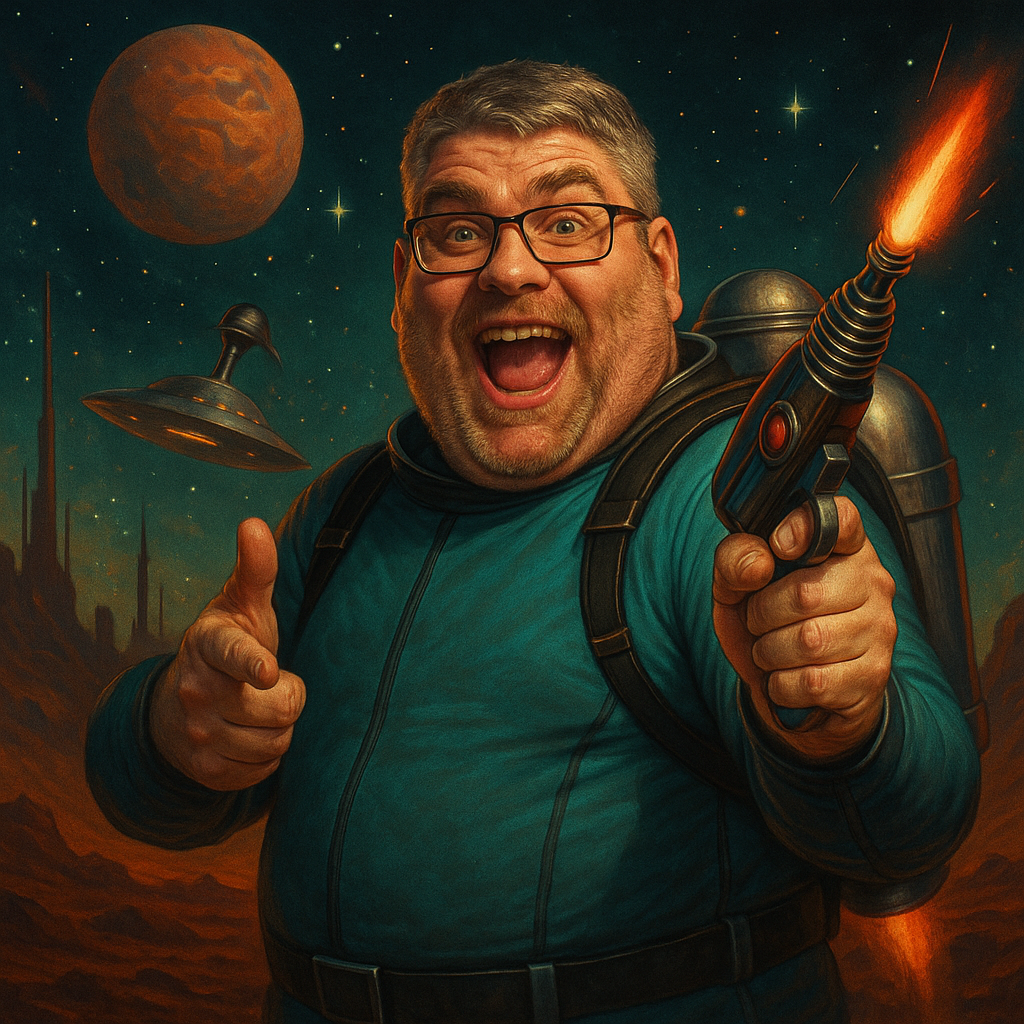
Unto a Golden Dawn doesn’t have alien invasions, space colonies, or AIs plotting to wipe us out. But it does bend time. It breaks narrative rules. It speculates—about memory, grief, occult recursion, and metaphysical authorship.
So I went looking: what does the sci-fi world look like right now? And does what I wrote belong somewhere in it?
What I found was a genre that’s not one thing at all—but a network of styles, movements, and obsessions. Here are six major trends I came across, plus a few books I plan to read to better understand where Unto fits in.
1. Climate Fiction (Cli-Fi)
What it is:
Near-future or alternate-present sci-fi rooted in ecological disaster, political collapse, and social adaptation. Less about tech, more about survival.
Why it matters:
These stories feel urgent. They don’t imagine distant futures—they imagine next month.
Main Rec:
📖 The Ministry for the Future by Kim Stanley Robinson
A sprawling, morally complex look at how humanity might respond to climate collapse through diplomacy, terrorism, innovation, and sheer will.
Other examples:
- The Water Knife by Paolo Bacigalupi
- American War by Omar El Akkad
- New York 2140 by Kim Stanley Robinson
2. Solarpunk / Hopepunk
What it is:
Stories that imagine cooperative, post-collapse societies and sustainable futures. A rejection of endless dystopia.
Why it matters:
Hope is hard. These stories dare to believe we might choose better.
Main Rec:
📖 A Psalm for the Wild-Built by Becky Chambers
A tea monk and a robot meet in a post-industrial world to ask: what do people need? Gentle, philosophical, and warm.
Other examples:
- The Long Way to a Small, Angry Planet by Becky Chambers
- Walkaway by Cory Doctorow
- Glass and Gardens: Solarpunk Summers (Anthology)
3. Simulation, AI & Reality Breakdown Sci-Fi
What it is:
Stories that explore consciousness, timelines, simulation theory, and memory. Often existential, often philosophical.
Why it matters:
In a world of algorithms and AI, reality itself feels unstable. These books lean into that unease.
Main Rec:
📖 Exhalation by Ted Chiang
A short story collection full of time-travel paradoxes, AI self-awareness, and mind-bending philosophical puzzles.
Other examples:
- Permutation City by Greg Egan
- The Drowned Life by Jeff VanderMeer
- Stories of Your Life and Others by Ted Chiang
4. Mythic & Weird Speculative Fiction
What it is:
Blends horror, surrealism, folklore, and sci-fi. Think strange environments, metaphysical loops, symbolism over science.
Why it matters:
These stories ask what happens when narrative, identity, and the laws of nature start to unravel.
Main Rec:
📖 Annihilation by Jeff VanderMeer
A biologist enters an environmental anomaly where reality bends and identity blurs. It’s haunting and lyrical.
Other examples:
- The Vorrh by Brian Catling
- This Census-Taker by China Miéville
- The Book of the New Sun by Gene Wolfe
5. Space Operas with Political Weight
What it is:
Epic galactic sagas with gritty realism—wars, diplomacy, corporations, rebellion. Less mythic, more messy.
Why it matters:
It’s Star Wars grown up, with geopolitical nuance and moral gray zones.
Main Rec:
📖 The Expanse series by James S.A. Corey
Begins with Leviathan Wakes. Interplanetary tension, a mysterious alien substance, and a missing girl unravel into a sprawling political thriller in space.
Other examples:
- Ancillary Justice by Ann Leckie
- Ninefox Gambit by Yoon Ha Lee
- Dune by Frank Herbert
6. Speculative Fiction About Identity & Power
What it is:
Sci-fi that reframes race, trauma, gender, and class as central speculative forces. Intimate and cosmic at once.
Why it matters:
These books aren’t just imagining different futures—they’re questioning who gets to have one.
Main Rec:
📖 The Broken Earth Trilogy by N.K. Jemisin
In a world ruled by seismic disaster, a persecuted group holds the power to shape the land itself. Powerful, raw, and revolutionary.
Other examples:
- The Deep by Rivers Solomon
- Afrofuturism by Ytasha Womack
- How Long ’til Black Future Month? by N.K. Jemisin
So… Where Does Unto a Golden Dawn Fit Into All This?
Honestly? The more I read, the more I think it overlaps with several of these genres—especially the mythic & weird, the simulation/AI lane, and maybe even speculative identity fiction, depending on how you read grief and authorship.
It’s not about technology in the traditional sense, but it is about systems: recursive timelines, narrative control, metaphysical machinery, and haunted authorship. It’s a story where language itself can break the world.
If there’s a genre for that, maybe I’m in it. Maybe I’m helping make it.
What Comes Next
I’m going to keep reading. Slowly. Thoughtfully. These books don’t just expand my understanding of the genre—they help me understand what Unto is really trying to say.
If you’ve read any of these—or have suggestions—I’d love to hear from you. I’ll check back in soon with thoughts, probably messy ones.
Thanks for coming along for the ride.
 Frank M. Anderson's Writing
Leave a comment