
Two memoirs. One story told from opposite sides of the same collapse.
Some books are written to chronicle a life.
These two were written to survive one.
The Cancer Diet and The Lying Years form a matched pair—two memoirs that circle the same events, the same wounds, the same city, and the same self, but from radically different distances. They can be read independently, but together they tell a full, unvarnished truth: what it means to fall apart, and what it takes to rebuild in the aftermath.
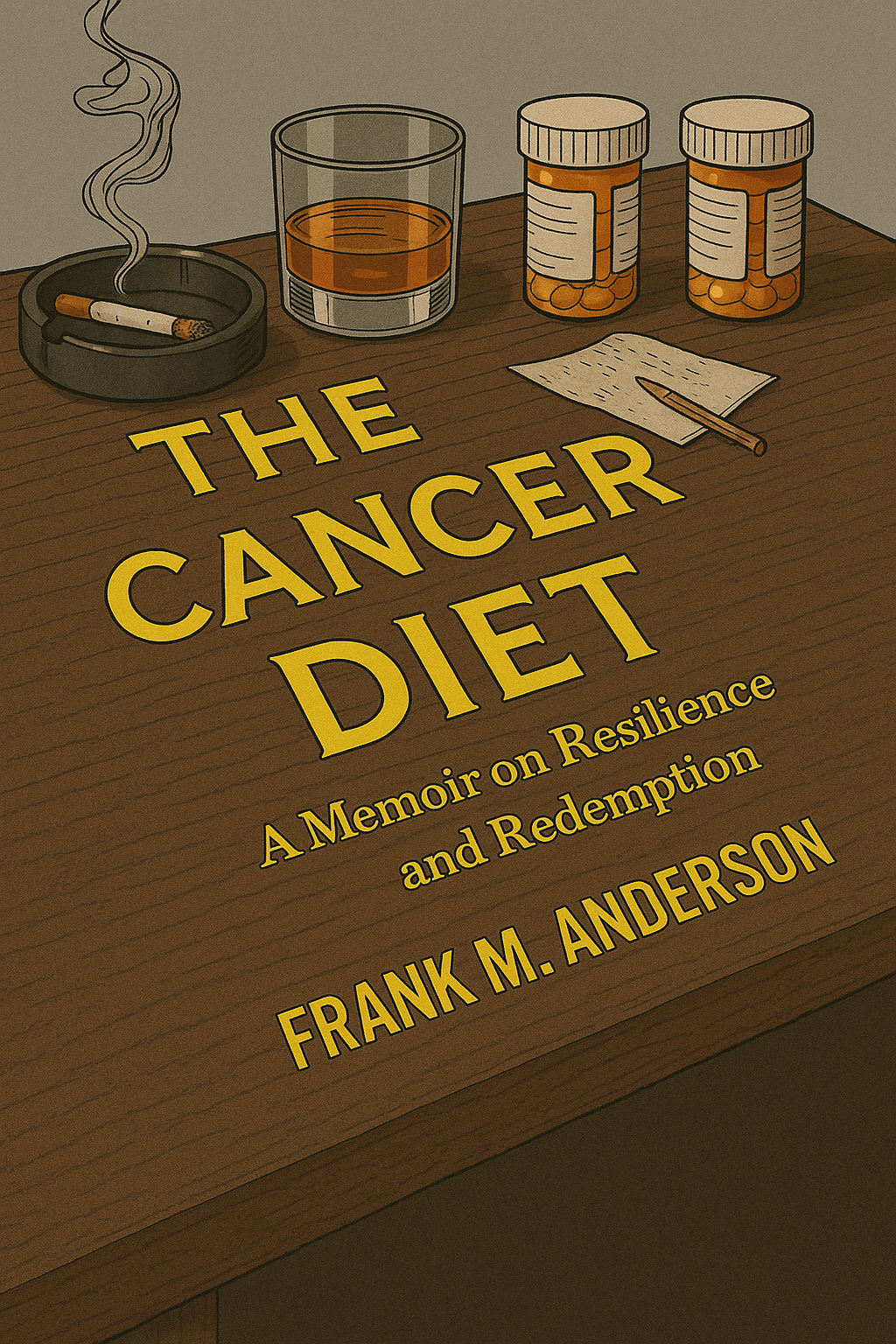
The Cancer Diet
This is the book I wrote in the middle of the storm—the day I learned I had cancer, the moment my brother died, the unraveling that followed, and the long, strange season where memory, grief, addiction, and fear braided into one. It’s a survival log, built from fragments: childhood scenes, hospital rooms, family silences, heartbreaks, near-misses, and the desperate need to keep going when I didn’t know if I could.
It wasn’t written for an audience.
It was written because staying silent was starting to kill me.
If this book has a shape, it’s the spiral—the way memory bends under pressure, the way trauma loops back without warning, the way a life can collapse inward and still find a pulse.
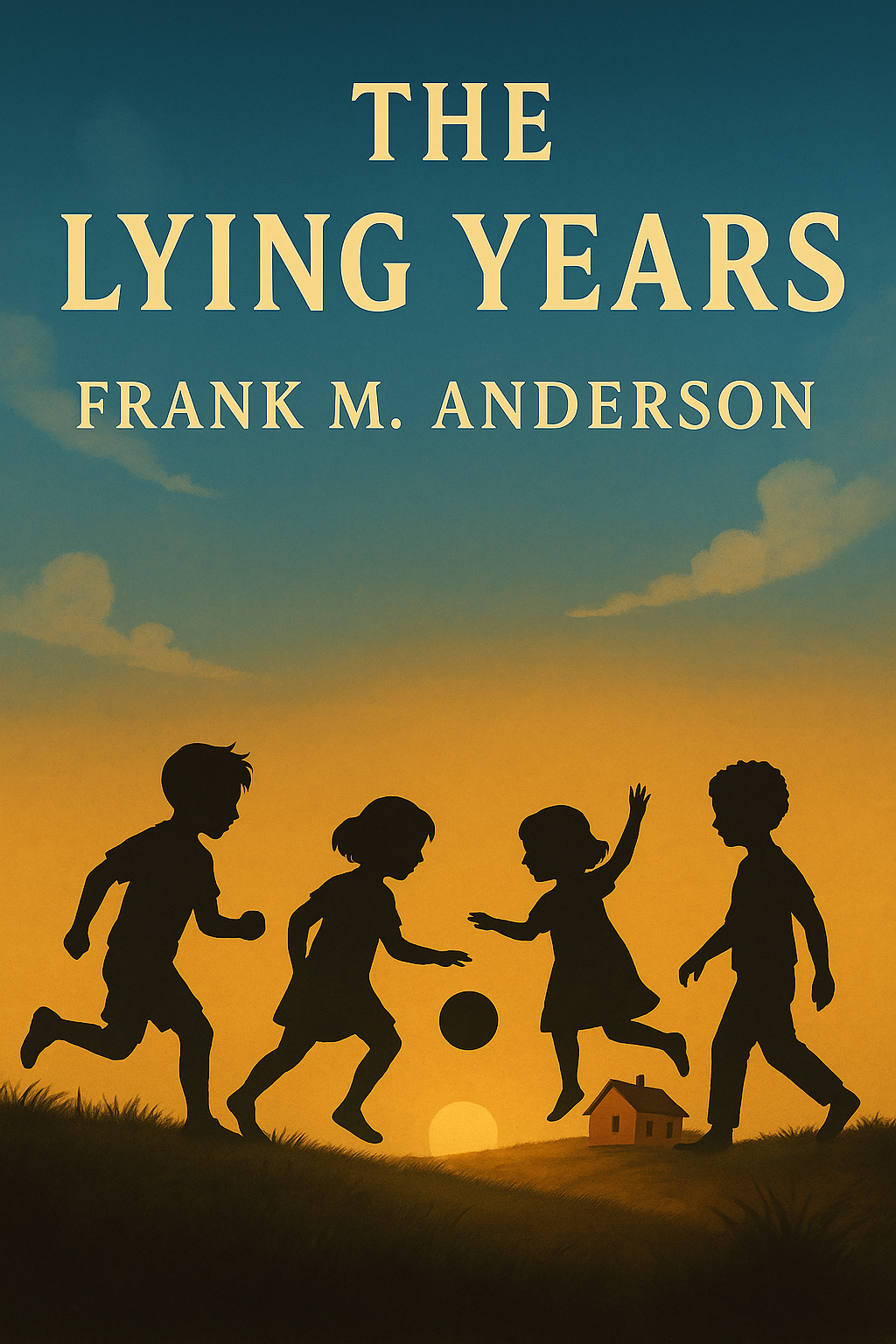
The Lying Years
This is the book that came afterward—the slow reconstruction. It begins with the confession I avoided for too long: I wrote my last book as a man preparing to die. From there, the lens widens.
Where The Cancer Diet is raw and immediate, The Lying Years is reflective and deliberate. It examines the quiet lies that shaped decades of my life—not dramatic deceptions, but the small, practiced ones that pass as courtesy or survival: I’m fine. I can handle it. It’s no big deal. I don’t need help.
This memoir looks at the systems and stories that taught me to hide: Southern politeness, family avoidance, addiction loops, bipolar cycles, grief rituals, work culture, relationships, fear, silence, and the city of Greenville itself—its roads, its ghosts, its contradictions, and its sense of home.
If the first book is about collapse,
this one is about what comes next.
Why These Books Belong Together
Read side by side, the two memoirs form a whole arc:
- The Cancer Diet is the fall.
- The Lying Years is the climb.
One concerns what happened to me.
The other concerns what I did with it.
Both explore memory as perception, honesty as responsibility, and survival as an ongoing practice rather than a single moment. Both are deeply rooted in place, family, grief, and the long shadow of inherited silence. And together, they trace the movement from crisis to clarity—not as a redemption story, but as a record of choosing to stay.
If you’re new to my work, these two books are the foundation.
They’re where everything else begins.
 Frank M. Anderson's Writing
Leave a comment