
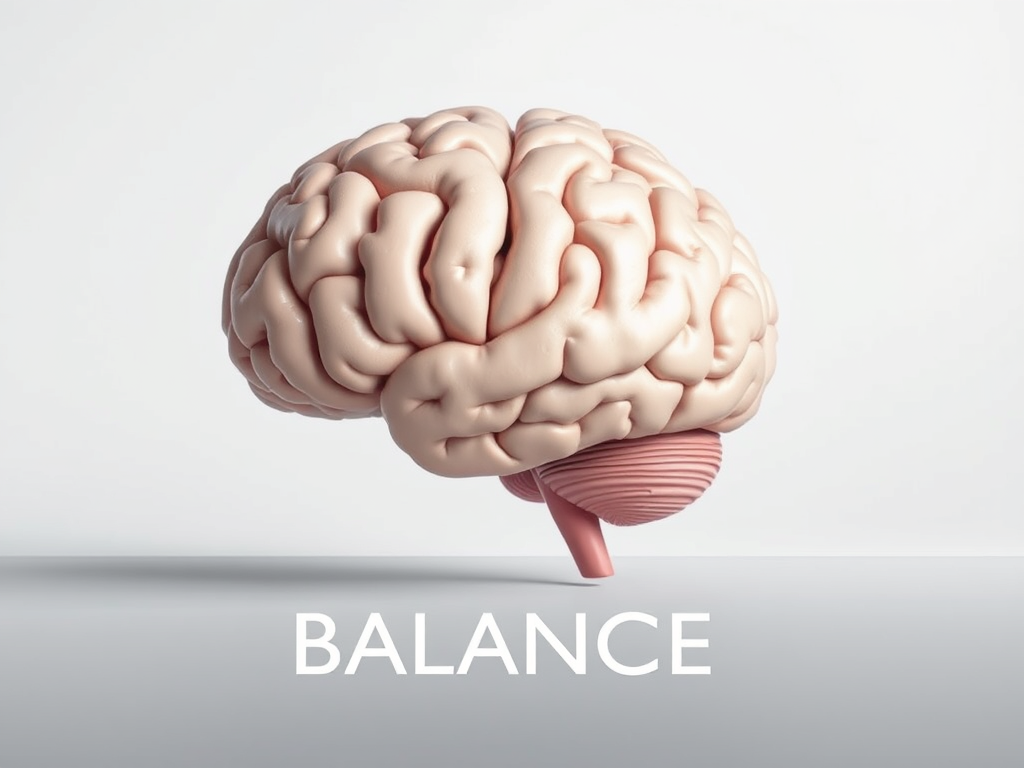
For a long time, I believed that change meant death—or at least the possibility of it.
Not metaphorical death. Not ego death. Real, physical, catastrophic endings.
That belief didn’t come from nowhere. It came from impact. From accidents. From moments where the world didn’t just shift, but hit. The waterfall incident. My teeth. A baseball bat to the face. Medical scares. Sudden turns that taught my body and my brain the same lesson over and over again: something can go wrong without warning.
After enough of that, your nervous system starts making assumptions for you.
Change stops feeling like opportunity.
It starts feeling like a warning shot.
So I learned to expect the worst. I learned to run futures in my head. To scan for disaster before it arrived. And over time, that kind of thinking becomes automatic. It feels like intelligence. Like preparedness. Like survival.
In some ways, it is.
Disaster thinking is a sickness—but it’s also a superpower. That’s the conflict I live inside a lot of the time, especially being bipolar. Sometimes I think that what bipolar really means for me is that I see all the possible futures at once. The problem is that my brain tends to grab the darkest ones and put them front and center.
Negativity gets louder. Urgency feels righteous. Fear starts posing as foresight.
So I’ve learned that I can’t just “be positive.” Because most positivity is fake. It’s denial with better branding. It’s people telling themselves stories so they don’t have to sit with uncertainty or risk.
False positivity is just as dangerous as catastrophic thinking—it just fails in the opposite direction.
What actually works is balance.
Balance means I don’t try to blind myself to what could go wrong. I see it. I acknowledge it. I respect the part of my brain that learned those lessons the hard way.
But balance also means I don’t treat those visions as prophecy.
They’re information. Not destiny.
Change doesn’t automatically mean death anymore. It means movement. Sometimes loss. Sometimes discomfort. Sometimes growth. Sometimes nothing dramatic at all.
And learning that difference has been one of the hardest and most important shifts of my life.
Every choice matters.
Every day matters.
Every moment matters.
But especially the choices.
The choices are how you define a life—not the intentions, not the plans, not the explanations you give after the fact. And the uncomfortable truth is that we don’t have as many choices as we like to think we do.
Which makes the ones we do have incredibly important.
So this is what I’m practicing now: not optimism, not pessimism, but presence. Paying attention. Letting foresight inform me without ruling me. Letting fear speak without letting it drive.
Balance in everything.
That’s not false positivity.
That’s survival refined into wisdom.
 Frank M. Anderson's Writing
Leave a comment