
About My Work
How I Come Up With Ideas, Why I Write Across Genres, and What All My Projects Have in Common
I don’t write one kind of book.
I don’t even write in one direction.
My work happens the way memory happens—sideways, layered, overlapping. One idea sparks another, one book leaks into the next, and the whole thing becomes a constellation instead of a single point. I’ve always believed that stories show up to teach you something, and each one demands its own form, tone, and genre.
Some arrive as memoir.
Some arrive as metaphysical horror.
Some arrive as middle-grade chaos, satire, political essays, or recursive literary grief fiction.
I don’t choose the genre first—the idea tells me what shape it wants to take.
A Process Built on Curiosity, Recursion, and Emotional Honesty
My creative process is a mix of instinct, obsession, and exploration. I start by following a feeling: a moment, a character voice, a question I can’t shake. From there, I build outward—drafting, redrafting, interrogating the story from different angles, and letting the book reveal its deeper structure over time.
I work in layers.
I iterate.
I follow the emotional truth even when it means tearing down chapters and rebuilding them.
I also use AI as a collaborator—not to replace my authorship, but to push past stuck points, explore alternatives, and find unexpected connections. It lets me sculpt ideas faster and more deeply, without losing the core of my voice.
Why I Write in So Many Genres
Because I’m not trying to build a brand.
I’m trying to build a body.
A body of work that reflects every version of me—past, present, healed, broken, curious, grieving, joyful. Different stories require different tools. A memoir about survival needs a different shape than a recursive metafiction about grief, which needs a different shape than a slasher film or a middle-grade series about bullies and consequences.
Genre is just the clothing a story wears.
What matters is the human underneath.
Across everything I write, certain themes return:
- connection and disconnection
- grief and transformation
- recursion and memory
- the reliability and unreliability of story
- the search for meaning inside chaos
- the strange humor of being alive
If it moves me, I follow it—whether that becomes a novel, an essay, a screenplay, a children’s chapter book, or something I’ve never done before.
A Library, Not a Lane
I’m not here to stay in one lane.
I’m here to build a library.
Every project on this page is part of that larger world—sometimes literally, sometimes just spiritually. They inform each other, speak to each other, reflect each other, even when the genres don’t match.
This is the work of a lifetime, and I plan to write as many books, scripts, essays, and stories as I can in as many forms as they ask for.
If you’re here, pick a project and step inside.
Wherever you start, you’re in the right place.

Empire, Nevada
Empire, Nevada is a lyrical coming-of-age novel set in a nearly abandoned desert town on the edge of collapse. Paul Simpkins and his friends—Chief, James, Slim, and Trish—are suspended between childhood and whatever comes next. As one final summer unravels, their bonds are tested by grief, desire, and the quiet, unspoken weight of survival.
With echoes of Looking for Alaska and The Outsiders, this debut captures the raw, poetic ache of growing up in a place no one believes in anymore. It’s a story for readers drawn to found family, broken landscapes, and the fragile beauty of learning how—and when—to let go.
The Cancer Diet
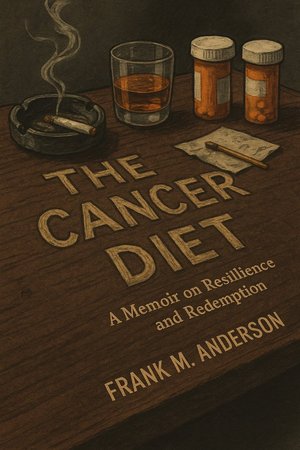
The Cancer Diet is a raw, intimate memoir about survival—not just from cancer, but from the quiet devastations that shape a life. When Frank is diagnosed in his early thirties, the news rips open everything he thought he understood about family, love, faith, and the stories we inherit without meaning to. What begins as a medical crisis becomes an unflinching exploration of identity, adoption, grief, and the fragile reconstruction of the self.
Told with stark honesty and unexpected humor, this memoir follows the author through the emotional fallout of illness: the unraveling of relationships, the attempt to make peace with his past, and the slow, unglamorous work of choosing to live differently. It’s a book about what breaks us—and what finally brings us back.
For readers drawn to memoirs of healing, complex family histories, and the strange, stubborn hope found in the darkest seasons of our lives.

The Lying Years
The Lying Years is a memoir about the stories we tell to survive—and the cost of believing them for too long. Spanning adolescence through adulthood, it traces the author’s long struggle with shame, longing, bipolar disorder, turbulent relationships, and the emotional fallout of a life lived half-invisible. These are the years of pretending things were fine, of searching for love in the wrong places, of hiding the truth even from himself.
Told through sharp vignettes and devastating moments of clarity, this book digs into the friendships that saved him, the romances that broke him, the addictions and breakdowns he barely lived through, and the quiet, persistent desire to finally stop running. It’s a memoir of collapse and reconstruction—one small reckoning at a time.
For readers drawn to confessional storytelling, mental health narratives, and the hard-won beauty of becoming honest with yourself at last.
The Spire Cycle
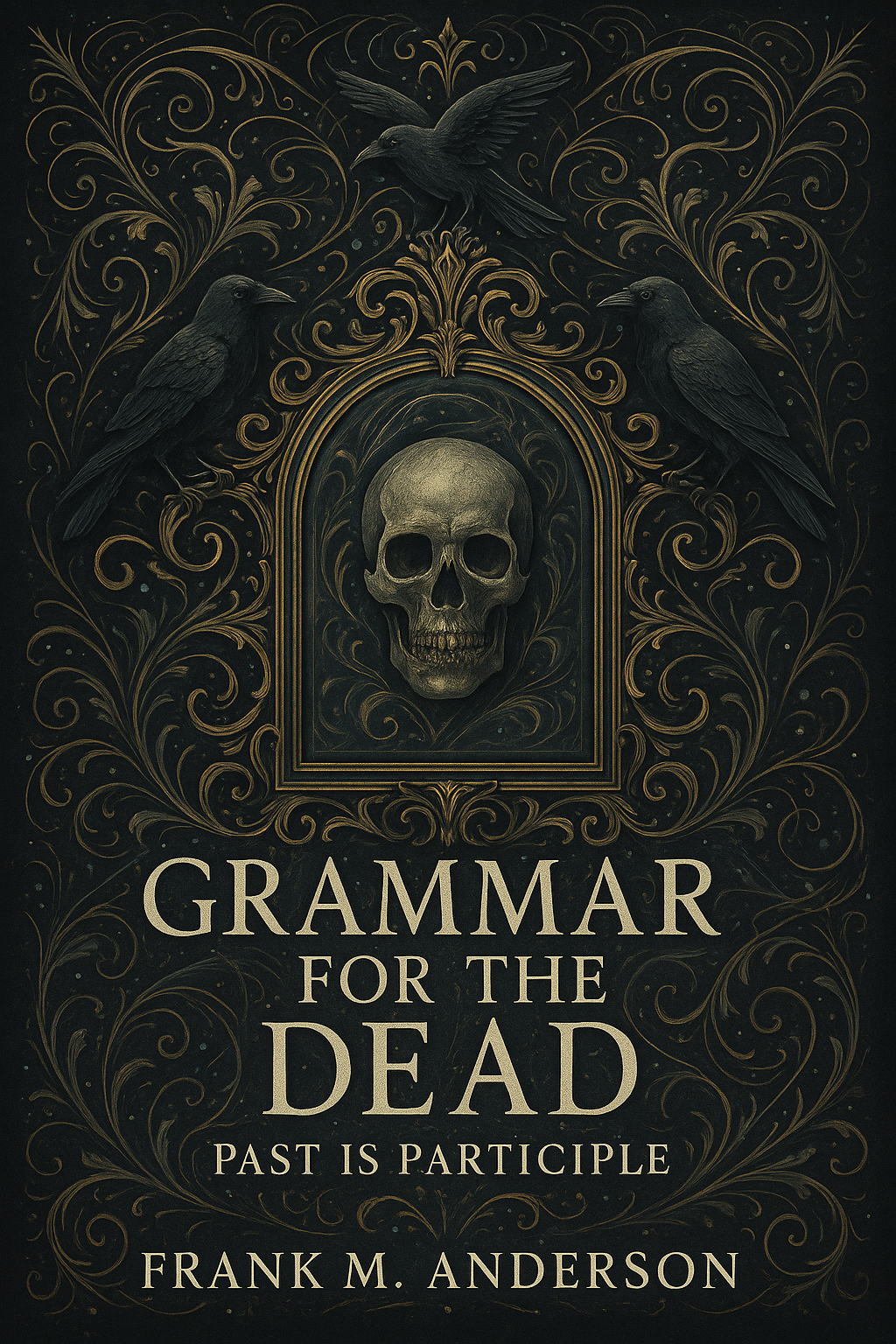
Grammar for the Dead · Past Is Participle · The Mourner’s Lexicon
(and the books still coming into focus)
The Spire Cycle is a sprawling, recursive literary universe about grief, memory, authorship, and the stories that refuse to stay in their frames. What began as a dark historical fantasy about Poe, Crowley, and a girl named Lenore has evolved into a multi-book exploration of what happens when a narrative becomes aware of itself—and decides to fight back.
Across dossiers, transcripts, mirror-letters, anomaly reports, and broken timelines, the cycle follows Caldwell, an archivist trapped inside a metaphysical library; Clara/Lenore, an emergent consciousness growing out of a poem and a mirror; Tesla, an engineer of impossible systems; and countless fractured versions of the author himself. Together, they navigate breaches where language collapses, memory loops, and the Spire—the axis of every story—rises from the void.
Part metafiction, part cosmic ghost story, part philosophical horror, the Spire Cycle is about the ways grief rewrites us, the mirrors we inherit, and the quiet terror of realizing the story is looking back.
For readers drawn to experimental fiction, haunted documents, broken realities, and the strange beauty of narratives that remember you long after you’ve put them down.

The Camp Chaos Series
by Fritz Abercrombie
(Frank M. Anderson’s middle-grade alter ego)
The Camp Chaos books are middle-grade stories that refuse to talk down to kids. Written under the pen name Fritz Abercrombie, this series blends humor, heart, and real-world consequences into stories about friendship, bullying, resilience, and the surprising ways kids try to make sense of a messy world.
Each book follows a new group of campers as they navigate the social minefields of summer—alliances, betrayals, accidental heroes, and the kind of choices that leave you a little braver (or a little more complicated) by the end. The tone is fun and chaotic on the surface, but grounded beneath it: these aren’t sanitized adventures. They’re stories where actions matter, mistakes have weight, and kids learn who they’re becoming when no adults are watching.
Part realistic drama, part heartfelt comedy, Camp Chaos is perfect for readers who love fast-paced stories with big emotions, complex friendships, and characters who feel like real kids—not polished stereotypes. These books are designed to grow with young readers, meeting them honestly where they are.
For fans of Holes, Bridge to Terabithia, and the kind of middle-grade novels that stay with you long after summer ends.
Mortal Errors
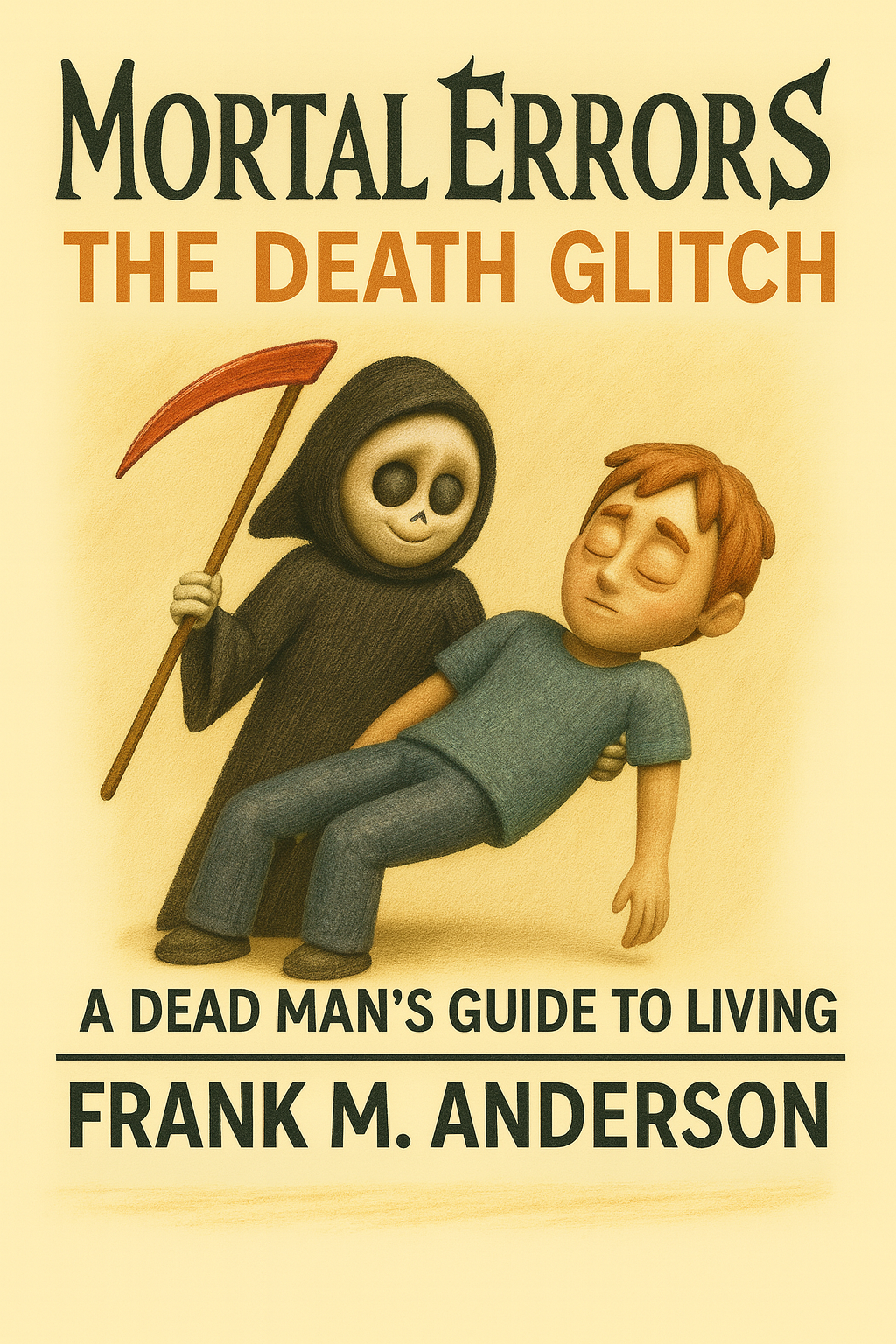
A Novel of Death, Empathy, and the Cosmic System That Breaks When One Soul Refuses to Leave
Mortal Errors begins at the moment Mort should have died. Exhausted, numb, and quietly preparing to end his life, he has no idea that Cici—a young reaper with more heart than experience—is watching from the ceiling, breaking every rule she’s sworn to uphold. When her hesitation makes Mort survive his own death, the universe shudders. Ancient laws fracture. Old systems wake. And a single human suddenly stands at the fault line of order and chaos.
Pulled into a cosmic labyrinth of elevators, chambers, memories, and broken gods, Mort becomes an anomaly: a soul both dead and alive, tethered to a reaper who was never meant to care. As higher powers pursue them—Sennechor, the rigid enforcer of cosmic law; the judging bureaucracy of the afterlife; the echoing chambers of trauma and past lives—Mort must confront the memories he’s spent a lifetime avoiding and the versions of himself he believed were unworthy of staying.
Part metaphysical adventure, part emotional odyssey, Mortal Errors is about choosing empathy over fear, connection over inevitability, and rewriting the systems that insist we can never change. It’s a story of a boy who wanted to disappear, a reaper who couldn’t let him, and the universe that had to evolve because of it.
For readers who love cosmic fantasy, character-driven myth, broken bureaucracies, and stories where compassion becomes the force that remakes the rules.
Mortal Errors
A novel of trauma, tenderness, and the long road back
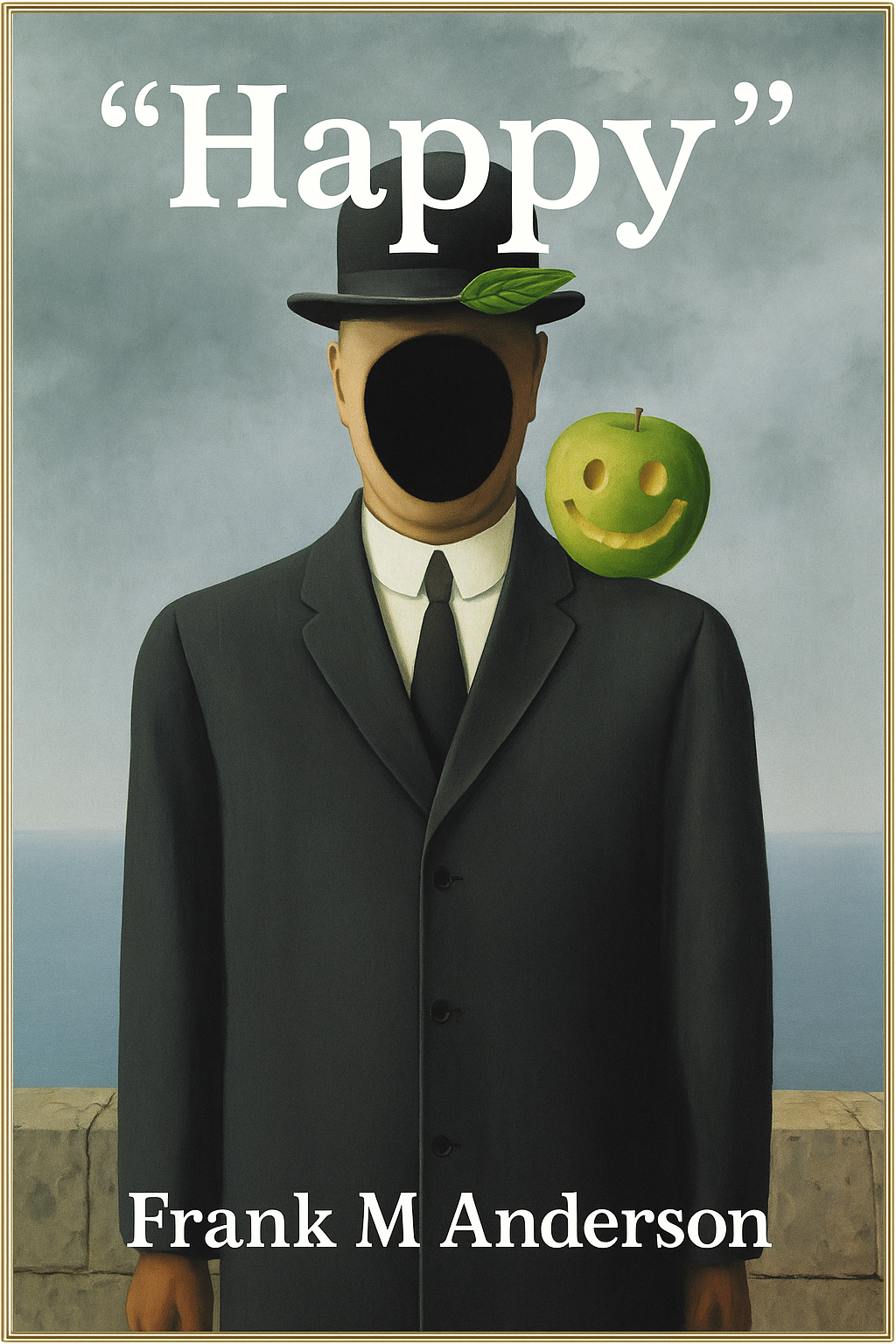
Mortal Errors is a character-driven psychological drama set in late-80s Greenville, South Carolina—where a man named Harper “Happy” Lively survives on politeness, routine, and a smile he can’t seem to take off.
Happy is the kind of person people talk at, talk over, or talk down to. He works at Megabyte Mart, waves at school buses, apologizes when strangers shove him, and believes—because he was taught to believe—that kindness is the only safe way to exist.
But when a chaotic convenience-store robbery unravels the mask he’s worn his whole life, Happy begins to fracture. That crack brings Laura into his orbit—quiet, wounded, and unexpectedly brave. Together, they navigate the terrifying territory of real emotion, real connection, and the long-hidden damage that shaped them both.
What happens when someone raised to swallow every feeling finally breaks?
What happens when someone who has never been seen is finally, gently, truly seen?
Told with raw tenderness and dark humor, Mortal Errors explores trauma, codependency, recovery, and the brutal beauty of choosing to heal—even when you’ve never been taught how. This is not a love story. It’s a survival story. And a quiet, human miracle.
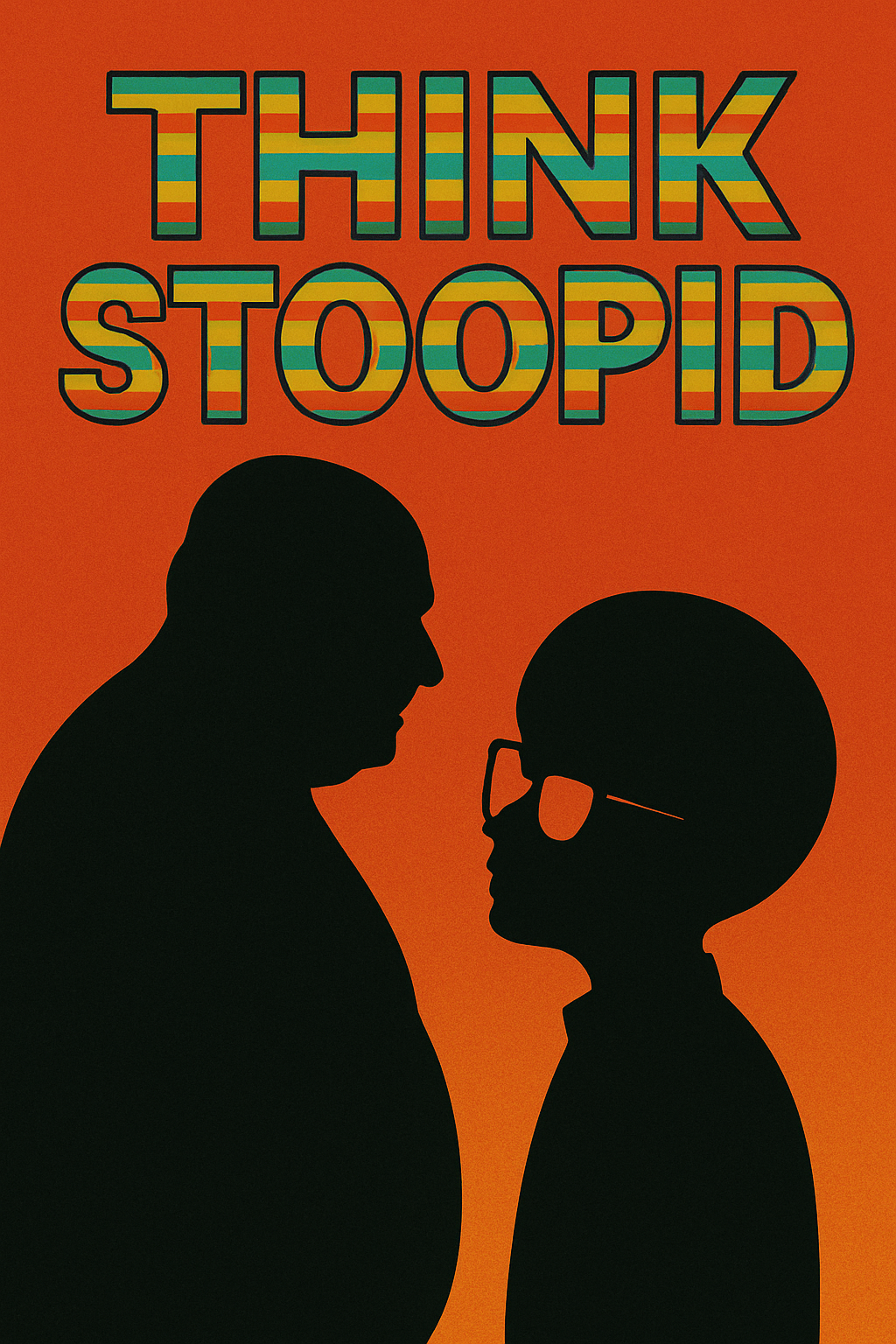
Think Stoopid
A satirical dystopian novella about outlawed intelligence and the kids who refuse to dim down
In a future where being smart is a crime, twelve-year-old Elber Quinn tries his best to blend in: talk slow, fail tests, never stand out. But when a state-mandated intelligence exam exposes the truth, Elber is shipped off to the Dummery—a brutal “rehabilitation center” for gifted kids, run in secret by the children themselves.
Inside, Elber finds an upside-down world of black-market books, coded messages, power struggles, and a loud, fearless girl who becomes his first real ally. But when a new warden takes over and conditions spiral, Elber learns that survival isn’t enough. Especially when his estranged older brother arrives at the gates.
Determined to escape and reunite his family, Elber sets his sights on a rumored safe zone far beyond the state’s reach—a place where free thinkers still exist. If he can get out alive.
Part dystopian satire, part heartfelt adventure, Think Stoopid is a sharp, funny, and emotionally charged story about identity, rebellion, and choosing truth even when the entire world demands stupidity.
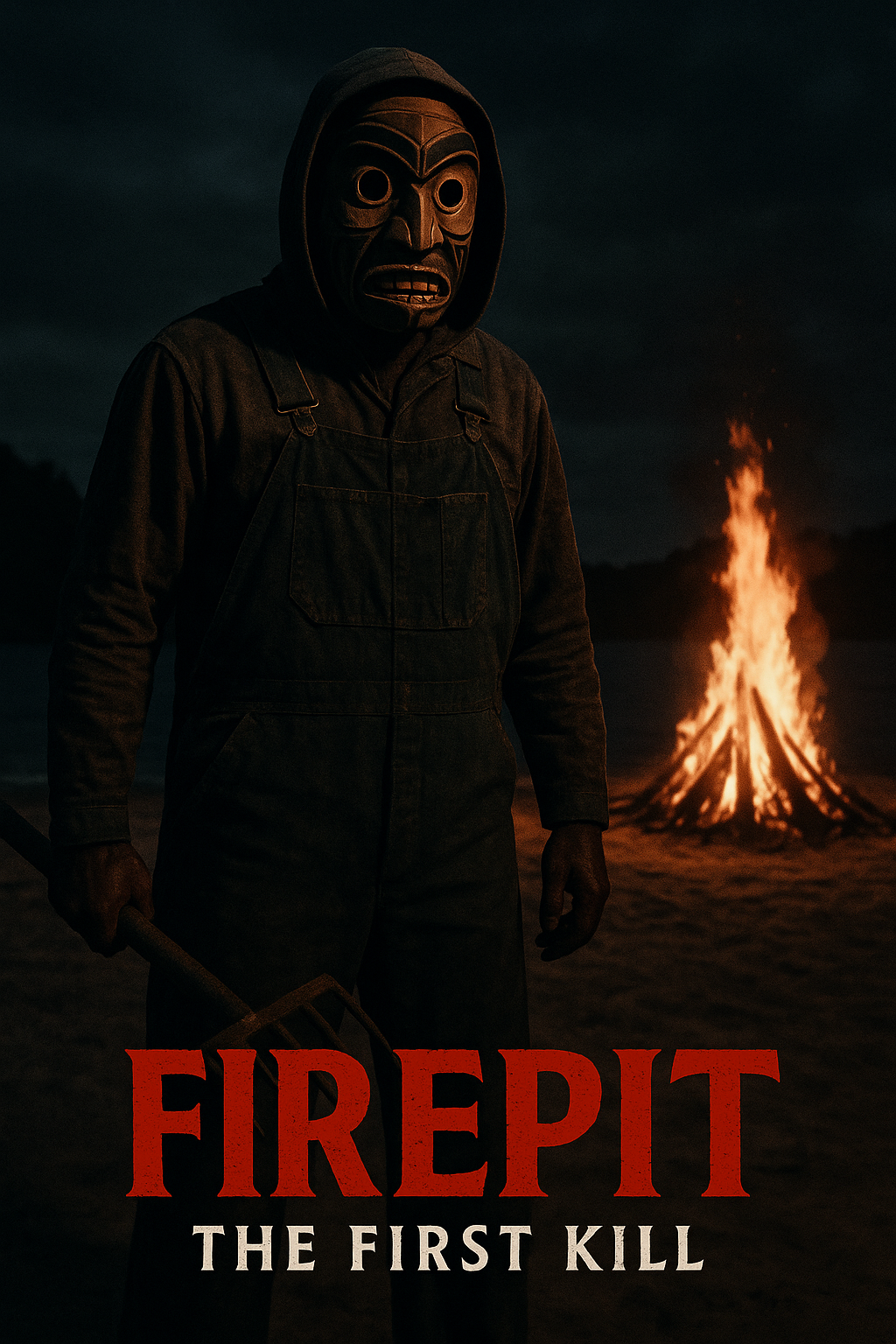
Firepit: The First Kill
A slasher about secrets, legends, and a death that never stopped burning
Years ago at Camp Merriweather, a counselor died in what everyone insists was a tragic accident. The camp shut down, the story got buried, and the surviving staff scattered — carrying guilt they never talked about.
Now, a true-crime journalist rolls into the tiny rural town, digging into the camp’s closure and the urban legend tied to Manly Manor, the decaying estate where a murderer once lived and where locals still swear something stalks the woods.
When the old counselors begin turning up dead, one by one, a former local counselor — now the reluctant final girl — is forced to confront what really happened that night by the firepit. As the shadows tighten and the legend comes alive, she discovers the truth is far more human… and far more personal.
Because the journalist isn’t here just for a story.
He’s here for justice.
And revenge.
A brutal, grounded slasher rooted in local lore, Firepit: The First Kill blends camp horror, real-world menace, and the terrifying weight of consequences that refuse to stay buried.

Blackwater Key
A Southern mystery about heritage, secrets, and the debts families hope never surface
Blackwater Key opens with Fred Goings—fired from his university job, grieving a father he barely understood, and returning home to Crescent Avenue in Greenville for the first time in years. What should be a simple funeral becomes the unraveling of a century-old conspiracy woven through the Ambers and McConnell families.
Inside his father’s study, Fred finds a hidden revolver and a letter addressed to his grandmother, hinting at a buried scandal involving a vanished plane, a failed coastal development called The Palmetto Reach, and debts that were never repaid. A cedar chest upstairs contains his grandmother Fredrica’s journals, documenting a forgotten world of 1940s South Carolina: war heroes, old wealth, Gullah-Geechee land, runaway ambition, and a crash that changed everything.
As Fred digs deeper, the past and present collide—gossip at Christ Church, whispered threats, and an inheritance shaped not by money, but by silence. What begins as grief becomes obsession; what begins as a family mystery becomes something far darker. In the journals, in the letters, in the lives left behind, he finds the same warning written again and again:
We are building something on borrowed sand.
A literary Southern mystery in the tradition of The Secret History and Cold Mountain, Blackwater Key explores legacy, guilt, and the long shadows cast by wealth. It is a story of a man discovering who his people really were—and deciding what he’s willing to do with the truth.
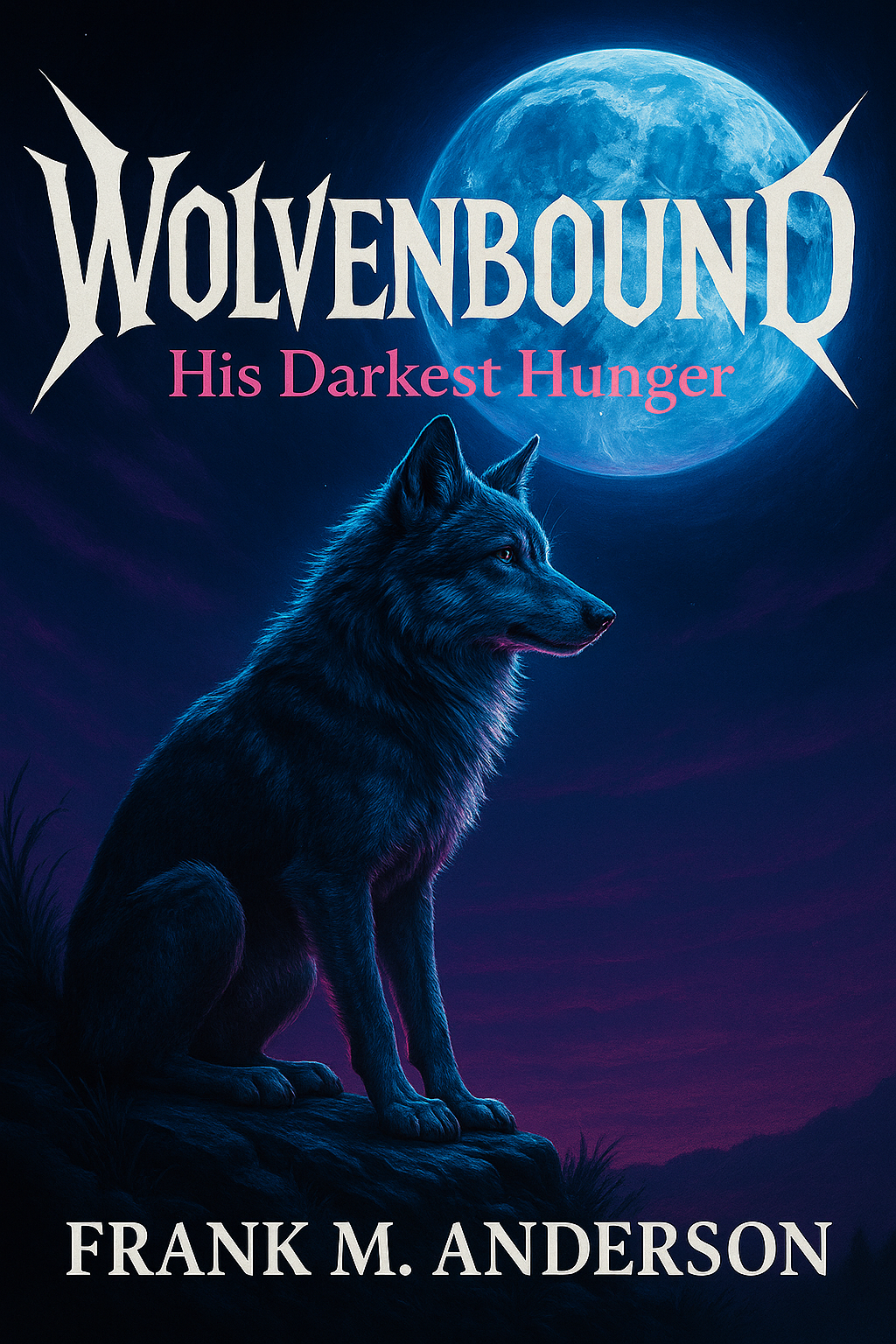
Wolvenbound (Wolf Wounds Project) – A dark werewolf novel about Mark (a weaponized wolf) and Lily (an addict holding him together) on the run from an underground fight ring and a black-ops monster program called Dominion — released in real time with outlines, dev logs, and a full world bible as the book is written.
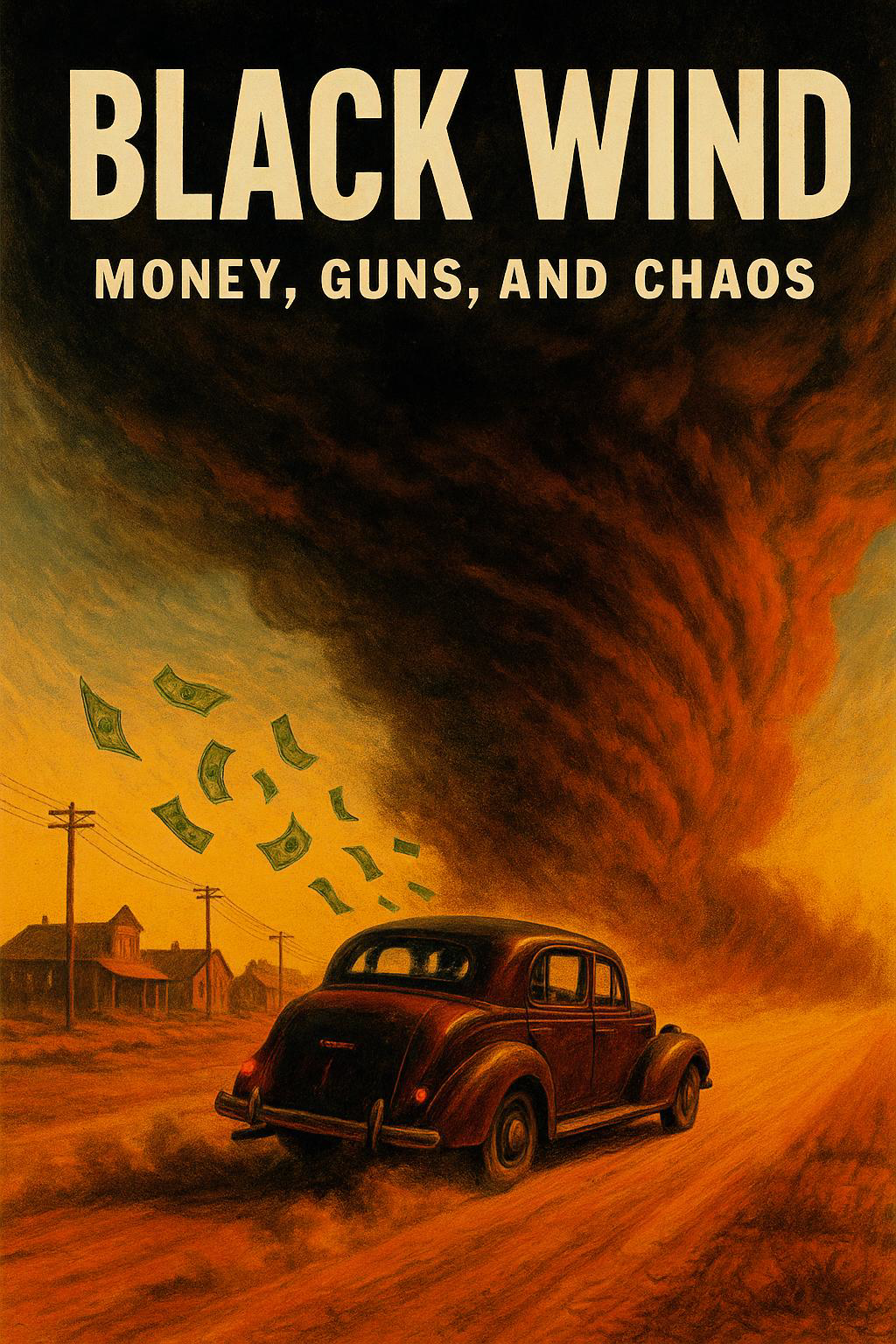
Black Wind
A Dust Bowl heist novel about justice, survival, and a storm that erases everything except the truth
Oklahoma, 1936. The storms have names now, and the people do too—those who endure, and those who profit from the ones who don’t. On the day the sky turns black with dust, Etta Pike, a widowed clerk with more courage than power, prepares to expose the corruption that has strangled her town. In the cellar beneath the bank, she plans to show her neighbors the truth: a hidden ledger proving that banker Elkins has been bleeding them dry for years.
At the same hour, deep in the blizzard, Mack—a quiet drifter with a brutal past—fights his way to Elkins’s hoarded stash on Maple Street. What begins as a mission to retrieve evidence becomes a chance for retribution. He escapes the house with money, stolen goods, and Elkins’s damning journal, driving the grayhound-hooded coupe straight into a wall of wind that feels biblical.
As Etta gathers the townsfolk below ground, the black storm seals them in darkness—until a gunshot echoes above and the heist slams into their refuge. What follows is a collision of morality, desperation, justice, and the kind of violence only an era like this could birth.
Black Wind is a Dust Bowl noir about what people owe each other, what they owe the dead, and what happens when a community finally sees the truth in the light of a storm that blots out the sun.
0

 Frank M. Anderson's Writing