
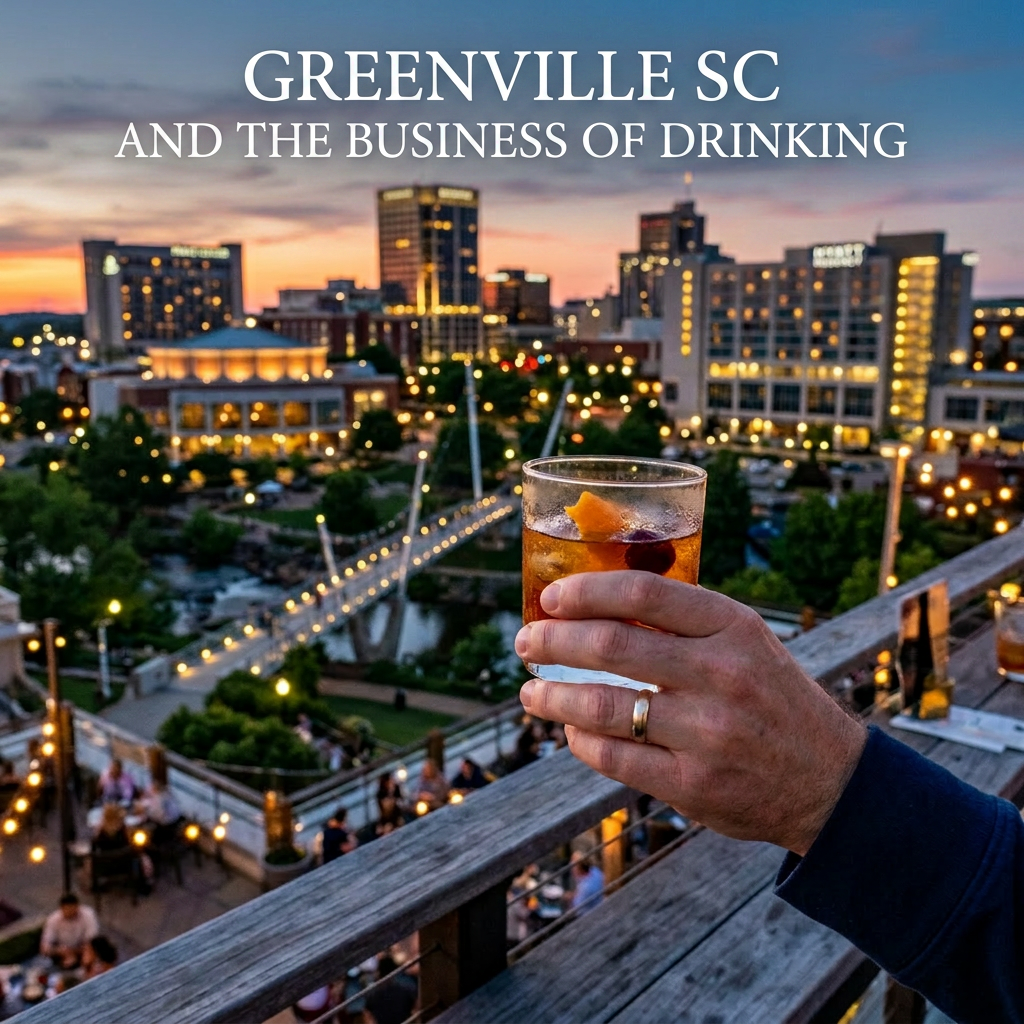
I started drinking young. Twelve or thirteen, somewhere in there. Young enough that it should sound absurd now, but normal enough that it barely raised eyebrows then. Drinking looked fun. It looked grown. It looked like what adults did when they wanted to celebrate, loosen up, laugh louder, and become bigger versions of themselves. For a kid who often felt worried, awkward, restless, or unsure, it also looked like medicine.
And in some ways, it worked.
It took away anxiety for a while. It replaced self-consciousness with excitement. It gave me a kind of social confidence I did not feel I had on my own. It made ordinary nights feel charged with possibility. It made me feel older, freer, and more alive.
But what feels like a gift at first can become a bill later.
Trauma did not disappear. It was delayed. Worries did not resolve. They waited. Chaos came dressed as fun often enough that it was hard to tell the difference. Over time, drinking cost me experiences, friendships, peace of mind, and stretches of time I cannot get back. Some memories are not painful because they are bad. They are painful because they are missing.
This is personal for me, but it is not only personal. My story is one version of a script many of us were handed. We learned that drinking was how adults socialized, how they celebrated, how they coped, how they met people, how they relaxed after work, how they made weekends feel different from weekdays. If you grew up in or around Greenville, you likely know what I mean. Greenville was a drinking town when I was younger, and in many ways it still is.
That is not an attack on Greenville. I love this city. It has become beautiful, energetic, and admired for good reason. Downtown is thriving. Falls Park is a gem. There are restaurants, concerts, trails, events, and civic pride that would have been hard to imagine years ago. Greenville has done many things right.
But like many successful American cities, it still often leans on an old social script. Meet for drinks. Grab beers. Patio drinks. Festival drinks. Dinner and drinks. Concert and drinks. Brewery and food truck. Celebration with alcohol. Networking with alcohol. First date with alcohol. Rough week? Have a drink.
Drinking itself is not the villain here. Plenty of people enjoy alcohol responsibly and happily. The problem is overreliance. The problem is when one tool becomes the default answer to loneliness, boredom, stress, celebration, and community.
Every year Fall for Greenville shows how badly people want to gather. The crowds are enormous. The energy is real. It brings money into town, fills streets, and reminds people that civic life can still feel exciting. I enjoy seeing it succeed.
But it also reveals our limitations. So much of the experience is built around eating, drinking, buying, and moving through crowds. That can be fun, but a crowd is not automatically a community. Standing shoulder to shoulder with thousands of people does not necessarily mean anyone knows your name, notices your absence, or would help carry your burden next week.
We should be asking a bigger question: if people clearly hunger to gather, why do so many of our biggest gatherings still revolve around consumption?
At the same time, South Carolina has been dealing with the bar and hospitality insurance crisis, putting pressure on bars and nightlife businesses. Some of the concerns behind those debates are legitimate. Safety matters. Accountability matters. Violence and negligence should have consequences. But if bars disappear or shrink, what real alternatives are being offered?
Too often the answer sounds like church, family, or stay home.
Church can be meaningful. Family can be essential. Home can be restorative. But not everyone has healthy family structures. Not everyone is religious. Not everyone wants isolation as the only sober option. Adults need places to gather beyond those lanes.
That is why places like Borderlands Comics and Games matter more than people may realize. A comic, toy, and board game store hosting game nights may seem niche to some, but it proves something important. Many people still want to gather regularly, laugh, compete, learn names, share interests, and belong. They just do not all want to do it with a drink in their hand.
A healthy city should have room for many personality types. The outgoing and the shy. The religious and the secular. Families and singles. Drinkers and non-drinkers. Sports people, arts people, gamers, hikers, readers, dancers, makers, and the still-searching.
This matters even more to me now because I am a father. My son has shown little interest in alcohol or drugs so far, though every parent knows kids will make their own choices and not report all of them to us. What I can hope for is not control, but culture. I want younger people coming up in Greenville to feel there is enough to do, enough to become, enough to join, enough to enjoy, that alcohol and drugs do not need to sit at the center of adulthood the way they did for so many of us.
Interestingly, my son has been becoming more thoughtful lately about what he consumes. Less sugar. Fewer artificial ingredients. More awareness of what goes into his body. That kind of intentionality would have felt foreign to me as a kid. Maybe that is a sign of progress. Maybe the next generation is ready for a more conscious way of living than the one many of us inherited.
So no, this is not a call to ban bars or shame drinkers. It is a call to widen the menu of belonging.
Give us more evening classes. More cultural spaces. More game nights. More participatory arts. More social learning centers. More dancing. More civic clubs. More places where adults can be curious, playful, useful, and connected without needing to chemically loosen the bolts first.
Greenville has learned how to build a city people want to visit. The next challenge—for Greenville and for much of America—is building places people know how to truly live in.

 Frank M. Anderson's Writing
Leave a comment