
Tag: greenville sc
-

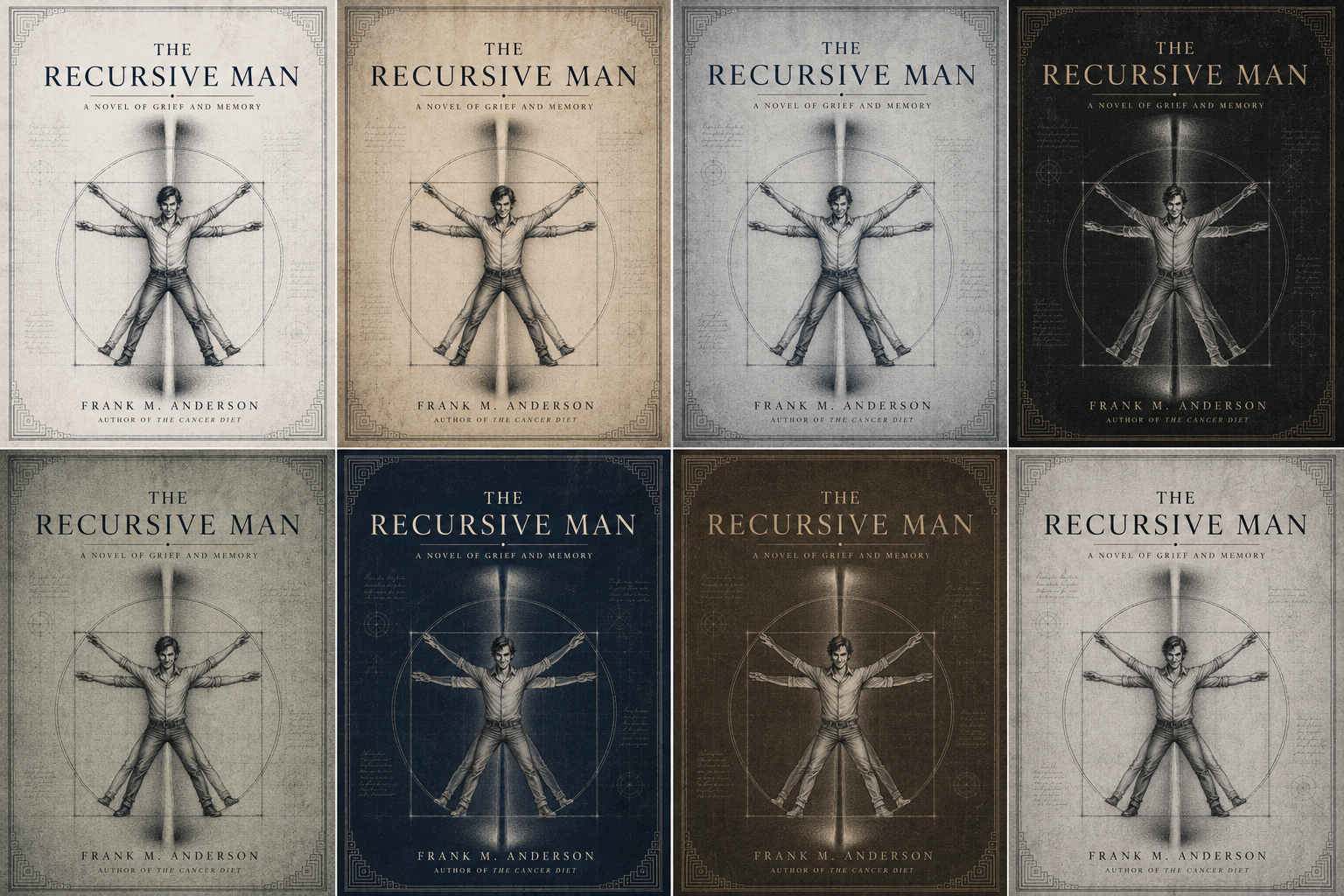
The Recursive Man Playlist: A Life-Stories Soundtrack
Sound has always been an integral part of my life. I listen to music pretty much constantly—except for those rare moments when I turn it off to go deep into writing. Music helps me regulate my emotions while fully feeling them. In certain moods I know to avoid certain tracks because, as you can see…
-
On Working LESS With AI and Why That Was Always The Plan.
Recently, I outlined more than 80 potential articles and story ideas for the Seen / Unseen Greenville project I’ve been working on. You may have noticed that I haven’t posted much over the last few weeks. You may not have noticed at all. Either way, it’s been intentional. Part of it is that I needed…
-

FROM THE ARCHIVE #1 — The Lonely White Walker (2012)
Going through old folders tonight, I found The Lonely White Walker—a Walking Dead fanfic I wrote back in 2012—and I was honestly stunned to realize people had reviewed it. Not just clicked on it… actually read it, followed it chapter to chapter, left thoughtful comments, waited for updates. I had forgotten that entirely. And honestly,…
-
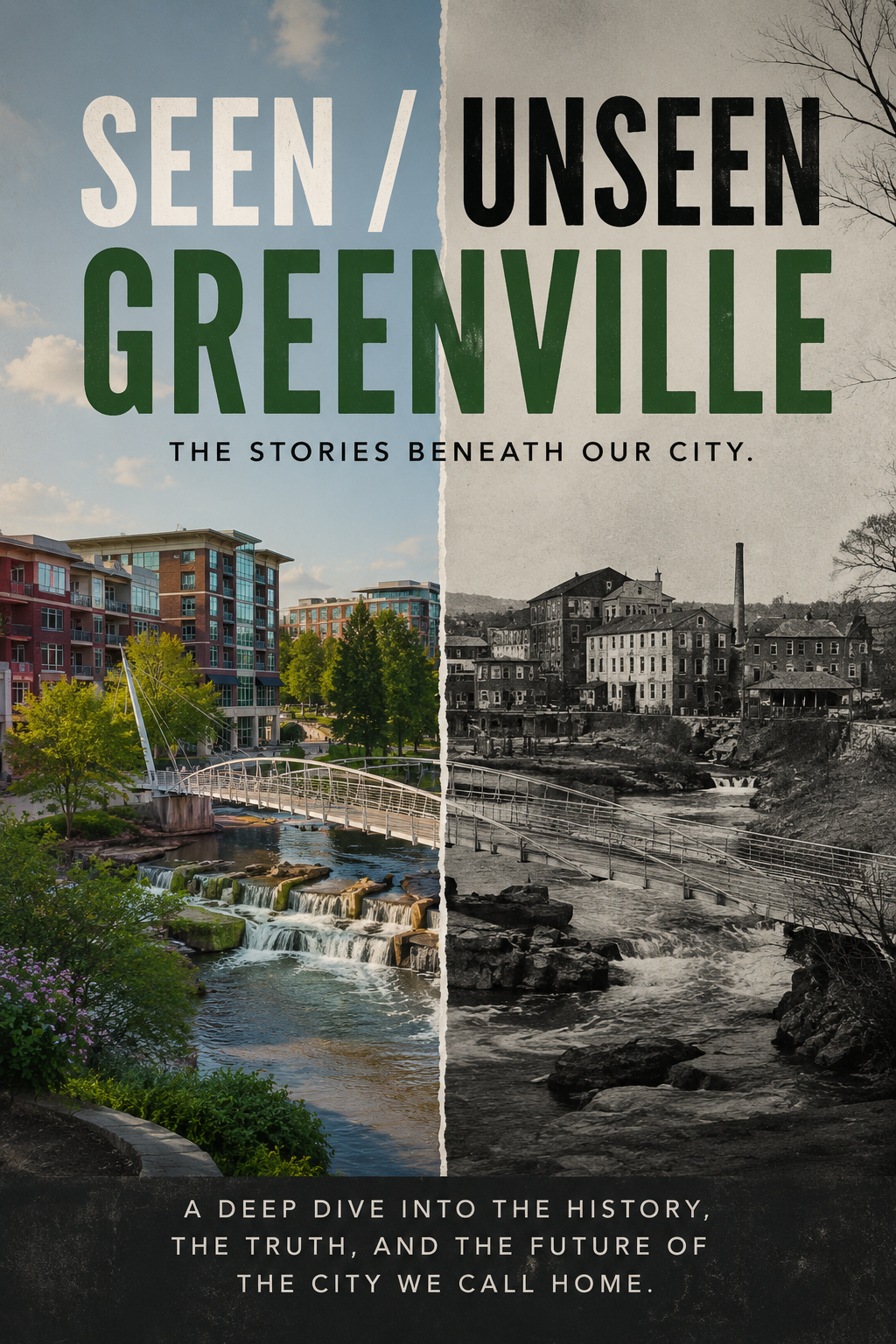
SEEN / UNSEEN GREENVILLE: What Happens When Multiple Visions of a City Collide at the Same Intersection?
A while back, I became involved in a project called Pleasant Roast — a proposed drive-thru coffee concept planned for a busy Greenville corridor. On the surface, it seemed simple enough: take an underused property, create a practical local business, and build something people would actually use. But the deeper we got into the process,…
-
Seen / Unseen Greenville: What South Carolinians Say They Actually Want
There’s a strange thing happening in South Carolina right now. On one side, the state is booming. Cranes everywhere. Subdivisions spreading into old fields and forests. Distribution centers. Data centers. Luxury apartments. “Top Places to Move.” “Fastest Growing.” “Business Friendly.” The official story is momentum. But underneath that polished story, there’s another South Carolina talking.…
-
Seen / Unseen Greenville: Woodruff Road and Greenville’s Growing System Problem
Future City Greenville is the systems and planning side of Seen / Unseen Greenville. Instead of focusing mainly on history, it explores where Greenville is headed and how growth, infrastructure, development, traffic, housing, and city-county coordination shape daily life. At its core, it asks a simple question: What kind of regional system are we actually…
-
Seen / Unseen Greenville: What Kind of City Are We Becoming?
Over the past few weeks, this project has honestly felt a little chaotic at times. I’ve produced a flood of material:-history posts,-city planning discussions,-maps,-timelines,-personal memories,-civic frustrations,-philosophical essays,-local observations,-and probably far too many long-form posts for the average Facebook scroll session. At times, I imagine it has looked less like a coherent project and more like…
-
Seen / Unseen Greenville: The Map Beneath the Map
Welcome to The Map Beneath the Map- a historical branch of Seen / Unseen Greenville exploring the older layers underneath modern Greenville When most people think about Greenville, they think about the version they can immediately see. Falls Park. Main Street. The bridge. The restaurants. The polished downtown that shows up in tourism campaigns and…
-
Seen / Unseen Greenville: The Truth About Greenville, South Carolina
Greenville, South Carolina sits in the foothills of the Blue Ridge Mountains, tucked between Charlotte, Asheville, Atlanta, Charleston, and Columbia — close enough to all of them to feel their influence, but increasingly its own thing entirely. Once known primarily as a textile mill town, Greenville has reinvented itself repeatedly throughout its history: from frontier…
-
Seen / Unseen Greenville: Reading the Budget Like a Map
How a city reveals itself through money, priorities, and infrastructure. I’ll admit something upfront: I did not sit down and fully read Greenville’s entire proposed FY2027 budget. What actually caught my attention was a Facebook post from the City of Greenville summarizing some of the major priorities: transportation improvements, trails and greenways, affordable housing initiatives,…
-
Seen / Unseen Greenville: Distinctly American. Distinctly Southern.
(What Does It Even Mean to Be American—or Southern—Right Now?) People usually look to places like New York, Los Angeles, Chicago, or Washington when they want to explain America to itself. That makes sense. Those cities dominate media, finance, politics, entertainment, and cultural mythology. But honestly, I think cities like Greenville may tell us more…
-
Seen / Unseen Greenville: A Timeline of the City Beneath the City
What came before—and what never fully left Greenville can feel like a new city. A growing city.A successful city.A city figuring itself out in real time. But that version of Greenville—the one most of us experience day to day—is only the latest layer. What makes Greenville interesting isn’t just what it is now. It’s how…
-
Seen / Unseen Greenville- Pleasant Roast: A Case Study
What happens when a city says no—and what replaces it? I still drive past that lot sometimes. Most people probably don’t notice it. It’s just another piece of land sitting beside a road already carrying more traffic than it was designed for. Cars pass it every day without thinking. Another in-between space in a city…
-

The Fulcrum and Axis: The Seen and Unseen- A Diatribe on Trying to Figure Out Life, the Universe, and Everything
Today we are going way up our own butts. I just want to establish that immediately so nobody thinks this is about to become a grounded and practical discussion about taxes or lawn care or whatever emotionally healthy people spend their Sundays doing. I’ve been thinking a lot lately about threshold moments in stories. Those…
-
Seen / Unseen Greenville: What Is This Actually About?
The other day, I asked my mom about the Ideal Laundry explosion. I expected her to look confused. Instead, she looked at me like I was the crazy one. “Of course I’ve heard of that.” For anyone unfamiliar, the Ideal Laundry explosion happened in Greenville in 1946. A propane leak at the Ideal Laundry building…
-
Seen / Unseen Greenville: The Map of Schools
The Map You Don’t See If you laid a map of Greenville County on the table and marked school performance, it would look one way. If you marked income levels, it would look another. But when you put them together, the two maps start to overlap. Not perfectly. But clearly enough to notice. What We’re…
-
Seen / Unseen Greenville: The Hidden Origins of Segregation
What It Looked Like Up Close Growing up, I lived in the Augusta Road area near the Cleveland Street YMCA. Just a few blocks away was Nicholtown—what people would have called “the Black side of town.” It wasn’t far. Close enough to walk. Close enough that people moved through both areas every day. But it…
-
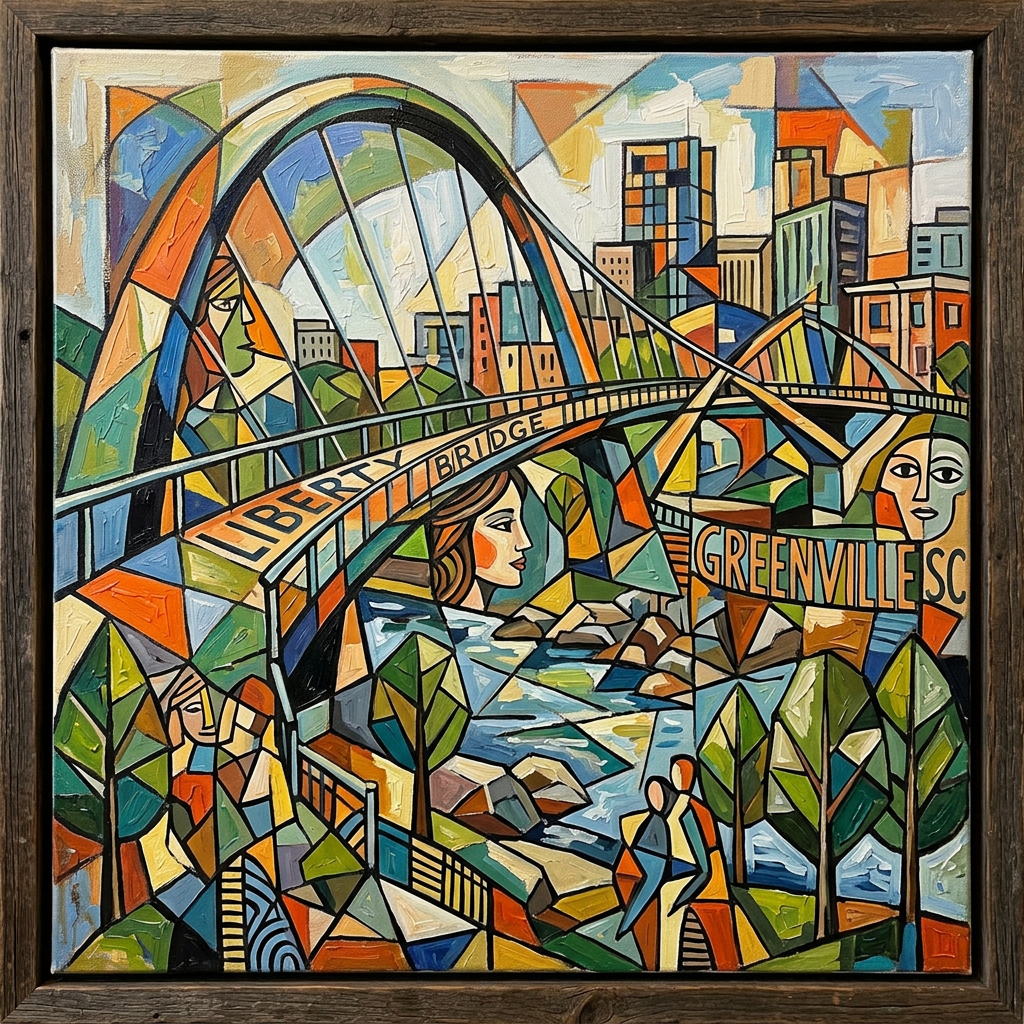
Seen / Unseen Greenville: A City Divided
There are parts of Greenville that feel like they’ve always belonged together. Downtown.The parks.The places people point to when they talk about how far the city has come. And then there are the other parts. The neighborhoods you don’t end up in by accident.The streets that don’t connect the way you expect them to.The invisible…
-
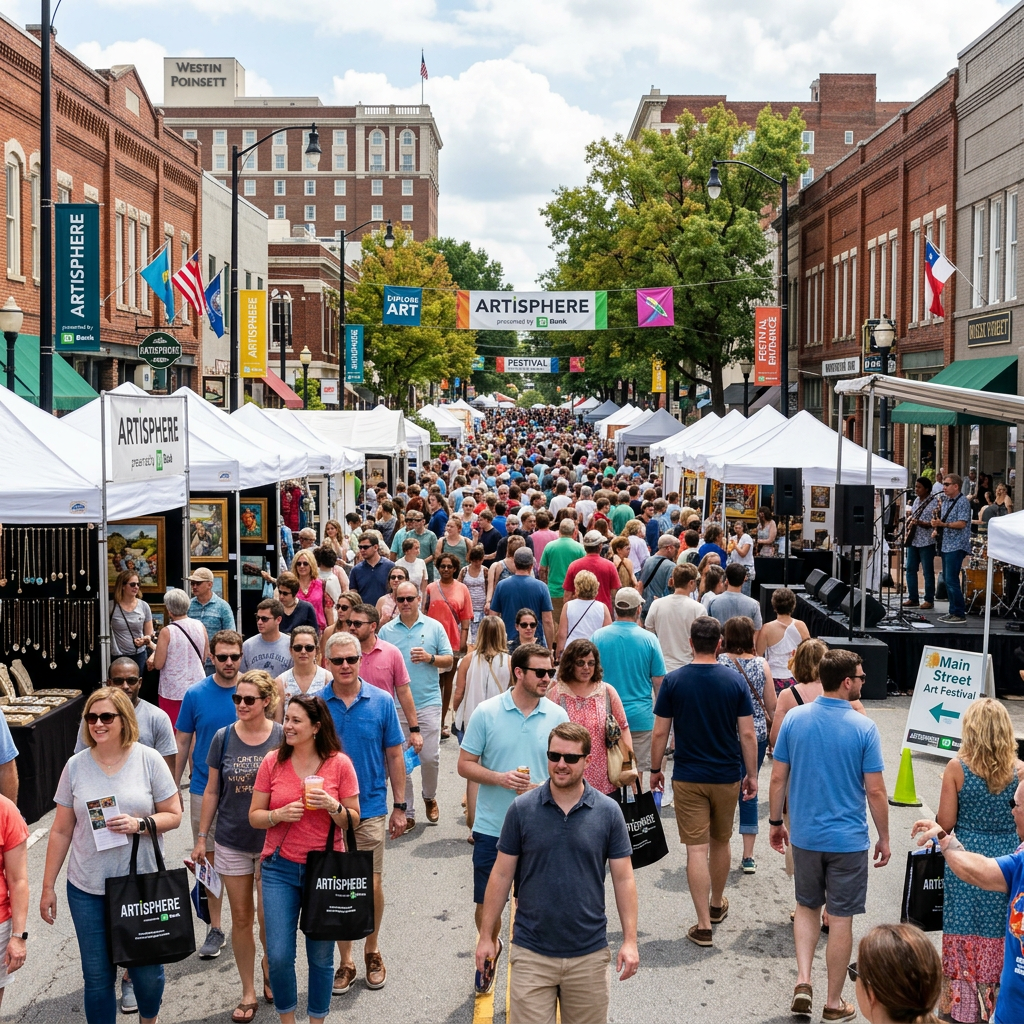
Seen / Unseen Greenville: When Everything Started Pointing Downtown
This weekend, downtown Greenville is overflowing for Artisphere. And honestly, that is a good thing. Twenty or thirty years ago, the idea that Greenville would host a nationally respected arts festival drawing huge crowds into downtown would have sounded almost absurd to a lot of locals. The city built something real here. People genuinely want…
-
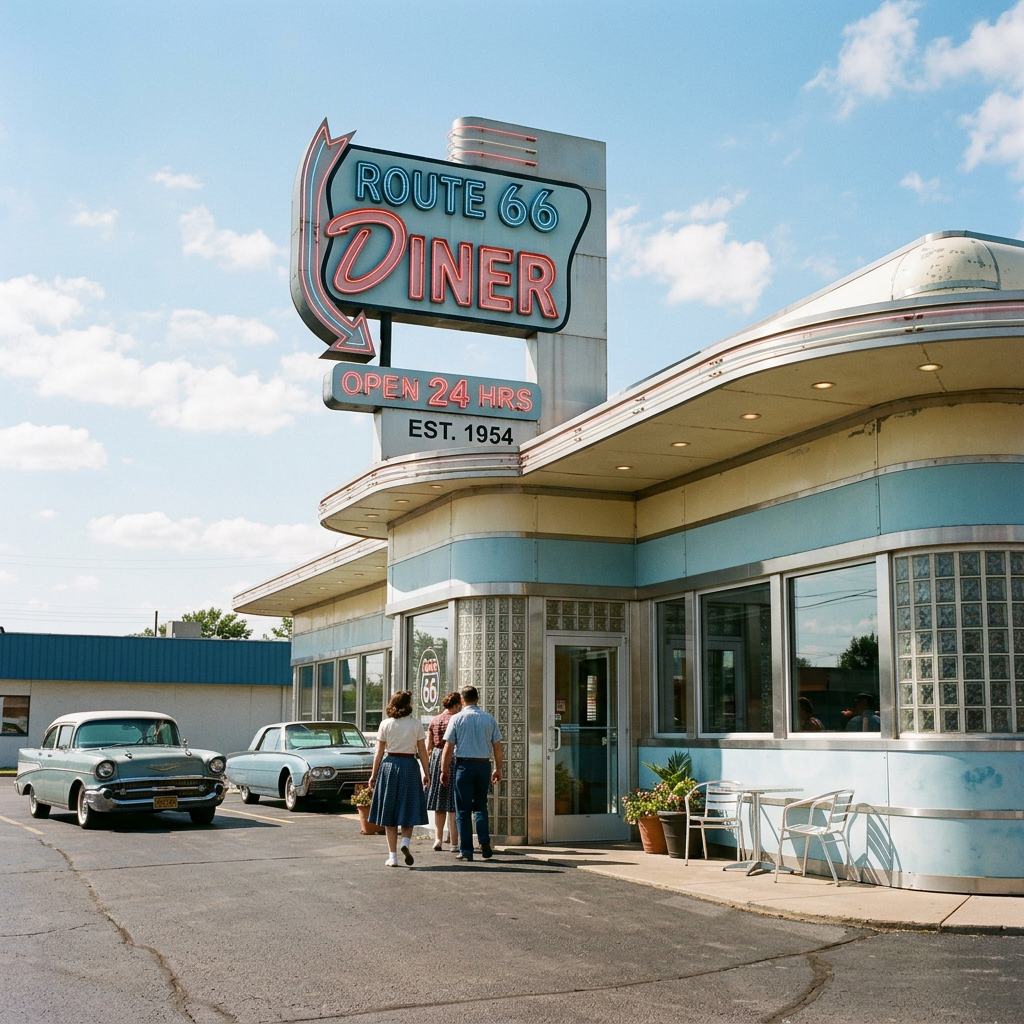
Seen / Unseen Greenville: Whatever Happened to the Clock Restaurants?
If you grew up in Greenville, chances are you have a Clock story. I do too. But before I even think about The Clock or Pete’s, I think about Como’s Pete’s. As a kid, that place felt permanent. I can still see it clearly — sitting in the booth, staring at the menu longer than…
-

Seen / Unseen Greenville: How Fiction Influenced My Reality
I’ve talked a lot recently about Greenville, development, local history, gentrification, empty spaces, civic vision, and the strange contradictions that seem to sit underneath this city I love. Some people have probably wondered where all this came from. A year ago, I wasn’t writing essays about urban planning, Cherokee history, or why certain projects get…
-
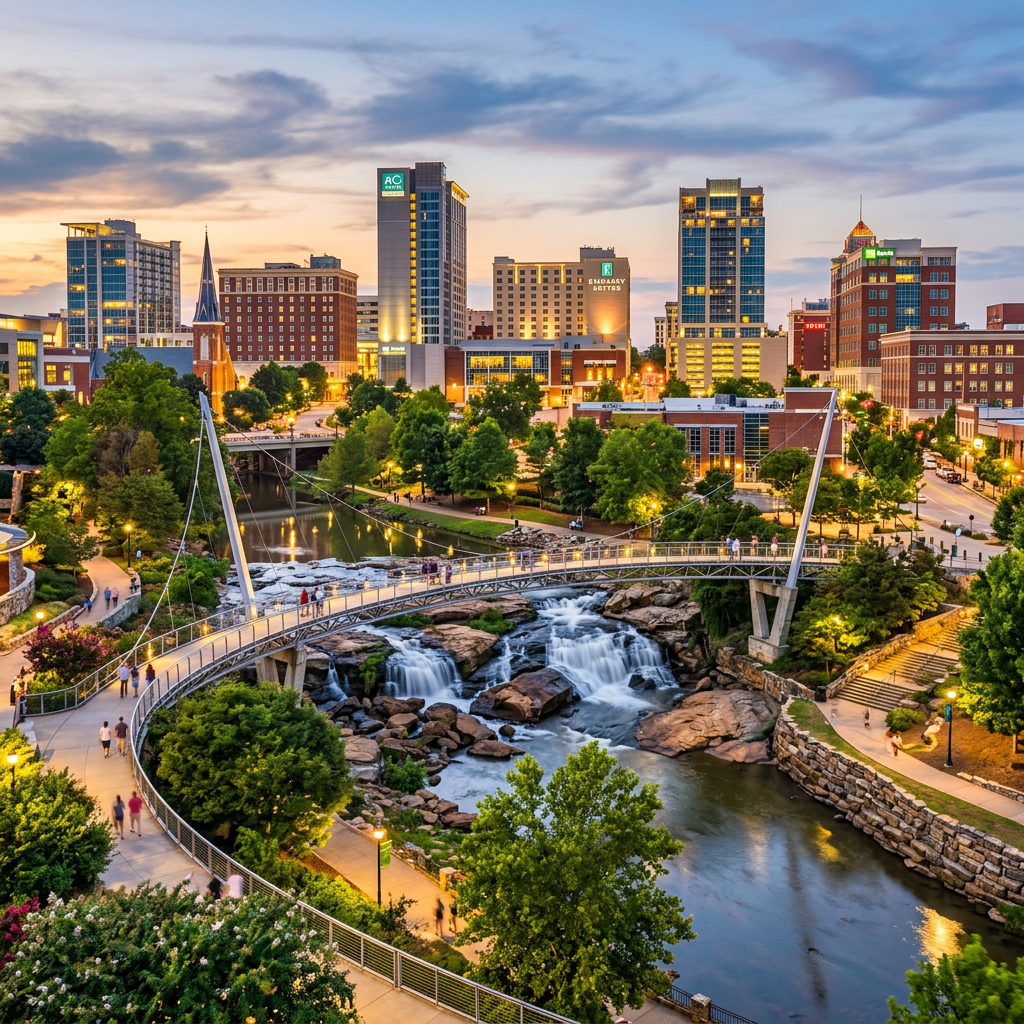
Seen / Unseen Greenville: A Nice Greenville Isn’t the Same as a Kind One
Greenville is a nice city. That’s not sarcasm. It’s not a setup. It’s just true. It’s clean. It’s welcoming. It’s easy to enjoy. People are generally friendly. The parks are good. The downtown is polished. The trail system is something most cities would love to have. If someone comes to visit, it’s not hard to…
-
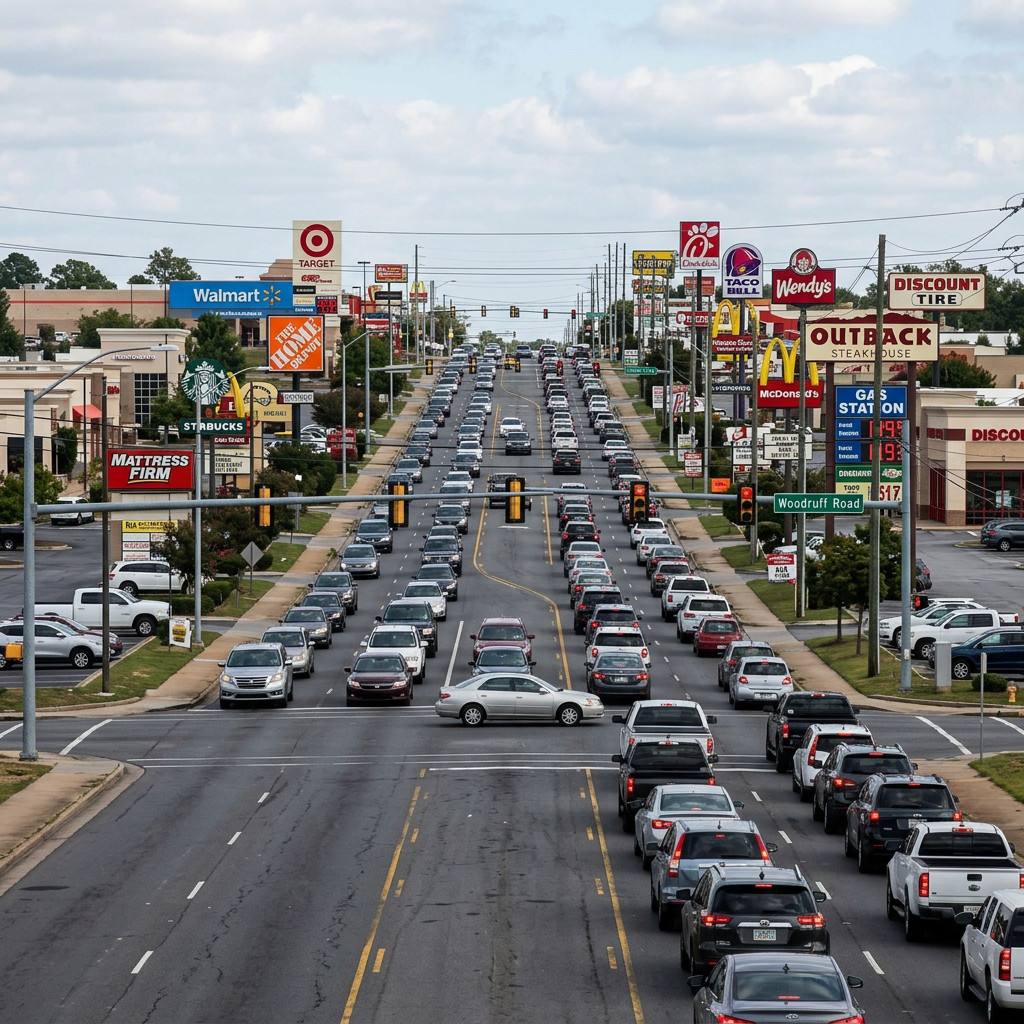
Seen / Unseen Greenville: Can We Avoid Woodruff Road (Part 2)?
Everyone who has seen Jaws 2 knows a few things: the shark is back and mad, and the same mayor is still in charge, doing the same damn things all over again. That’s the feeling you get if you look at what’s happening on Laurens Road—and what could be coming next. Because if we’re not…
-
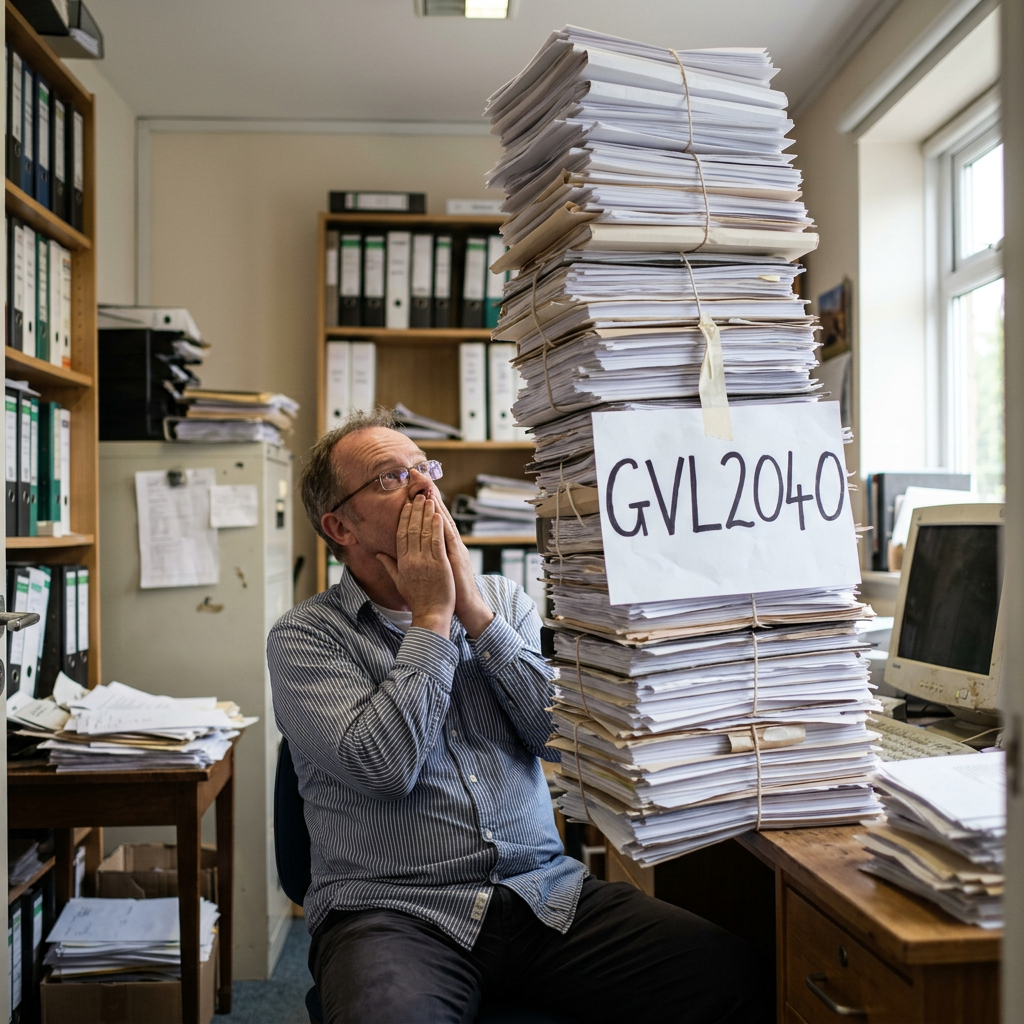
Seen / Unseen Greenville: GVL2040 and the Gap Between Plan and Reality
Most people in Greenville haven’t read GVL2040. That’s not really a knock on anyone. It’s a long-term planning document, not exactly light reading. But it is one of the most important things shaping what Greenville becomes over the next 15–20 years, whether people realize it or not. GVL2040 is the City of Greenville’s comprehensive plan…
-
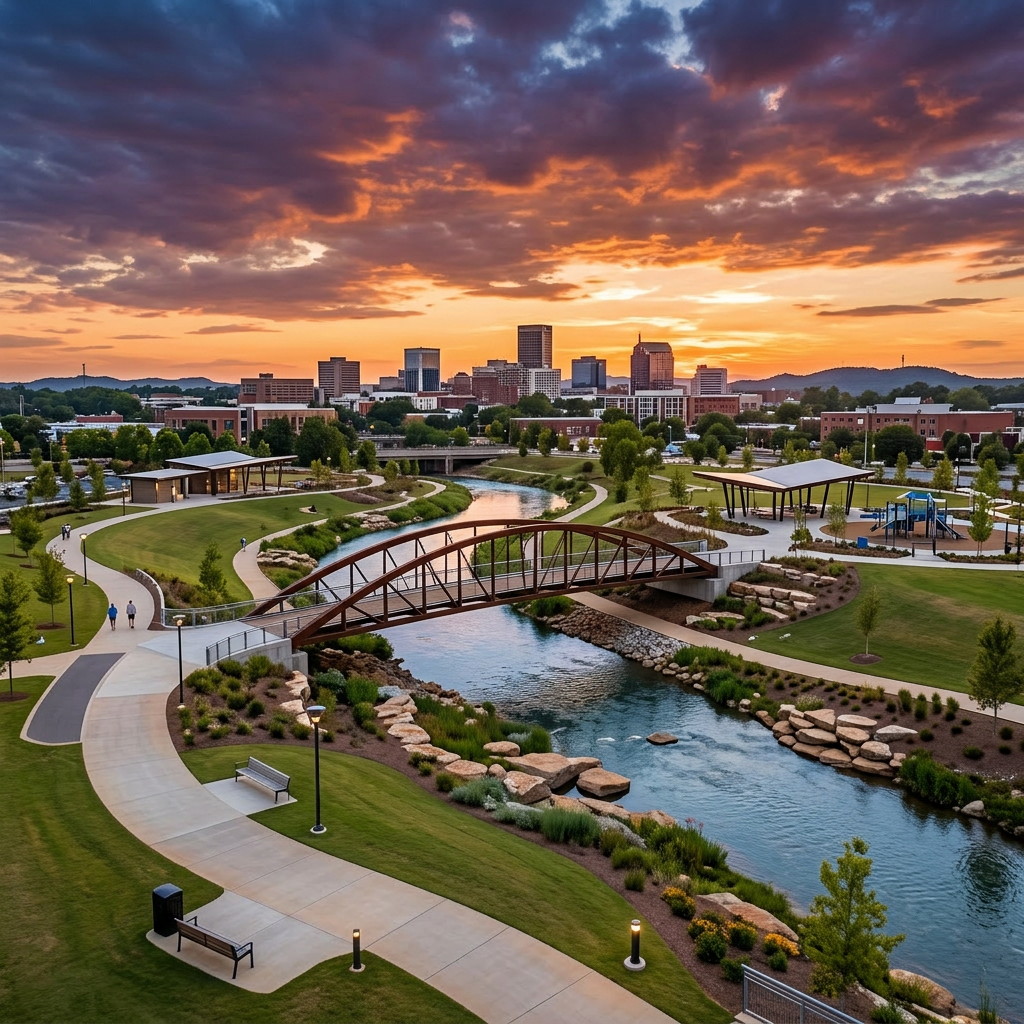
Seen / Unseen Greenville: Unity Park, Social Justice, and the Tower to Nowhere
There is a lot to admire about Unity Park. It is beautiful, spacious, and full of life. It transformed long-overlooked land near the Reedy River into one of Greenville’s most impressive public spaces. Families gather there, kids play there, people walk and rest there, and for many residents it has become a genuine source of…
-
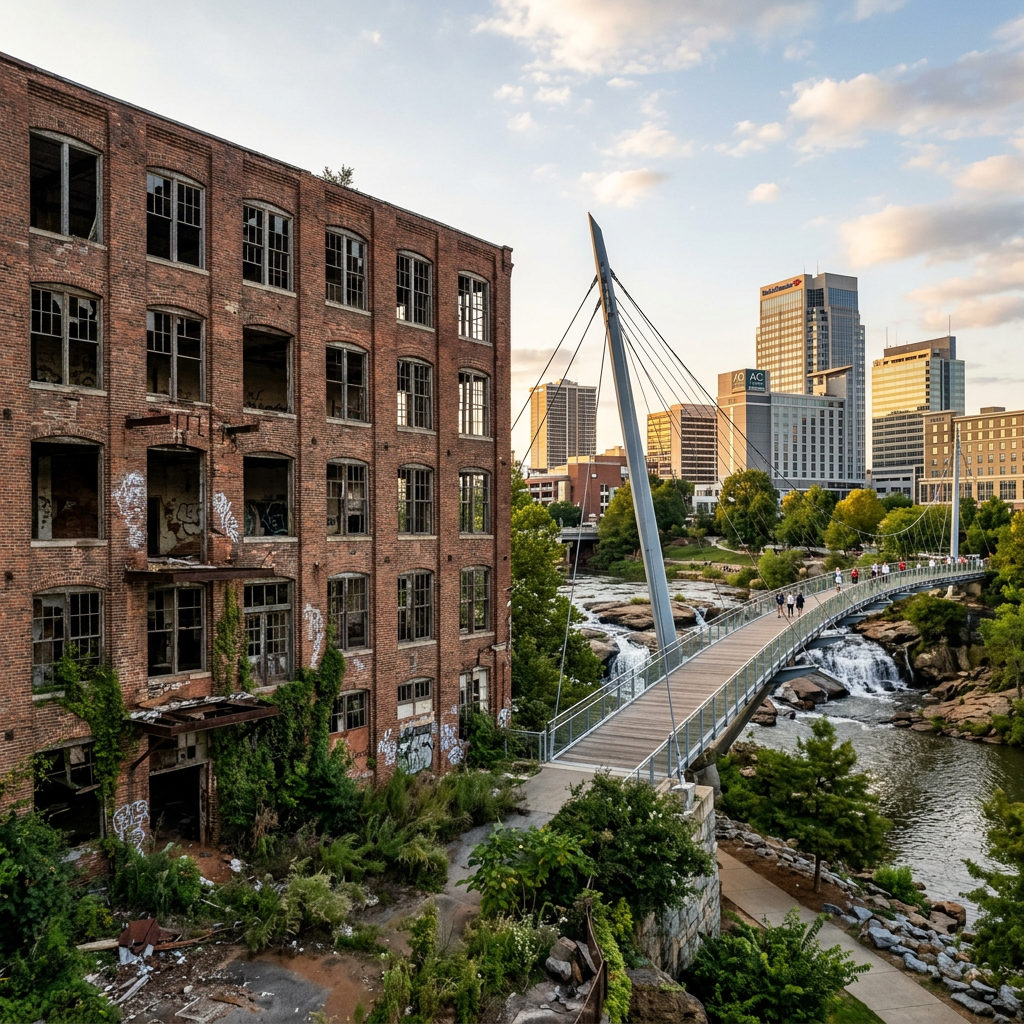
Seen / Unseen Greenville: What Do We Want These Buildings to Be?
Lately, as I drive around Greenville and through other parts of South Carolina, I keep returning to a question that became much more personal after my own attempt to open a coffee shop: What do we actually want these empty places to become? That question sounds simple until you try to build something yourself. From…
-
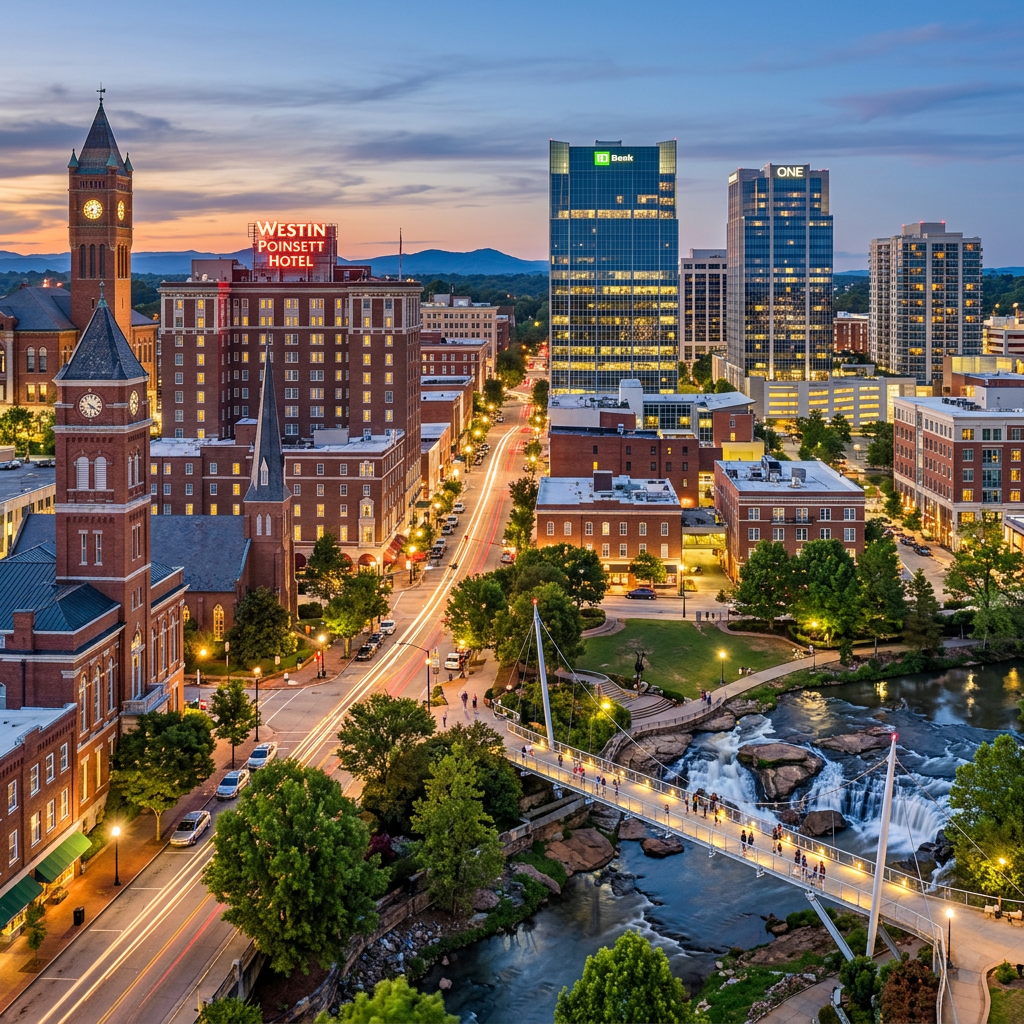
Four Greenvilles
When people talk about Greenville, they usually talk about it like it is one place with one shared experience. A single city moving in one direction with one story to tell. But that has never really been true. Greenville is several Greenvilles at once. Different versions of the same city, living beside each other, shaping…
-
Fear of a Post-Knox White Greenville
It is an odd thing to worry about a city after the departure of a leader who has been in office so long that many residents barely remember life before him. But that is where Greenville may now find itself. For nearly three decades, Knox White has been one of the defining faces of modern…
-

Greenville Is Too Small
Many of us work in hospitals, restaurants, warehouses, offices, schools, hotels, construction sites, retail stores, government buildings, and service industries. We help power the city of Greenville’s success, then return home to communities that may have less funding, less visibility, and less influence over the place they help sustain. That is why, even if it…
-
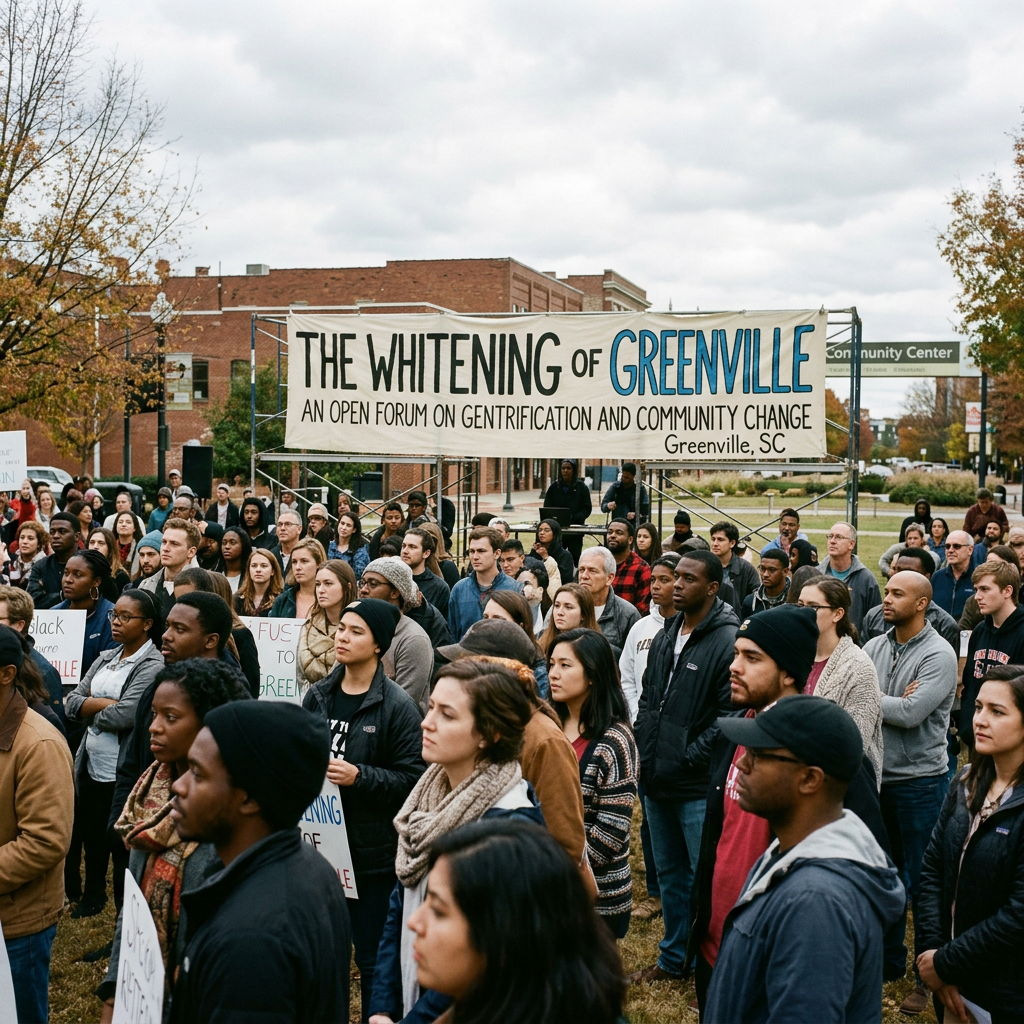
The Whitening of Greenville: Gentrification and Pushed-Out People
Greenville’s Favorite Story About Itself Greenville loves the story it tells about itself. It is a story of redemption, polish, and smart civic leadership. A former mill town that once struggled with decline reinvented itself into one of the most celebrated small cities in America. Downtown was revived. Main Street became a destination. Falls Park…
-
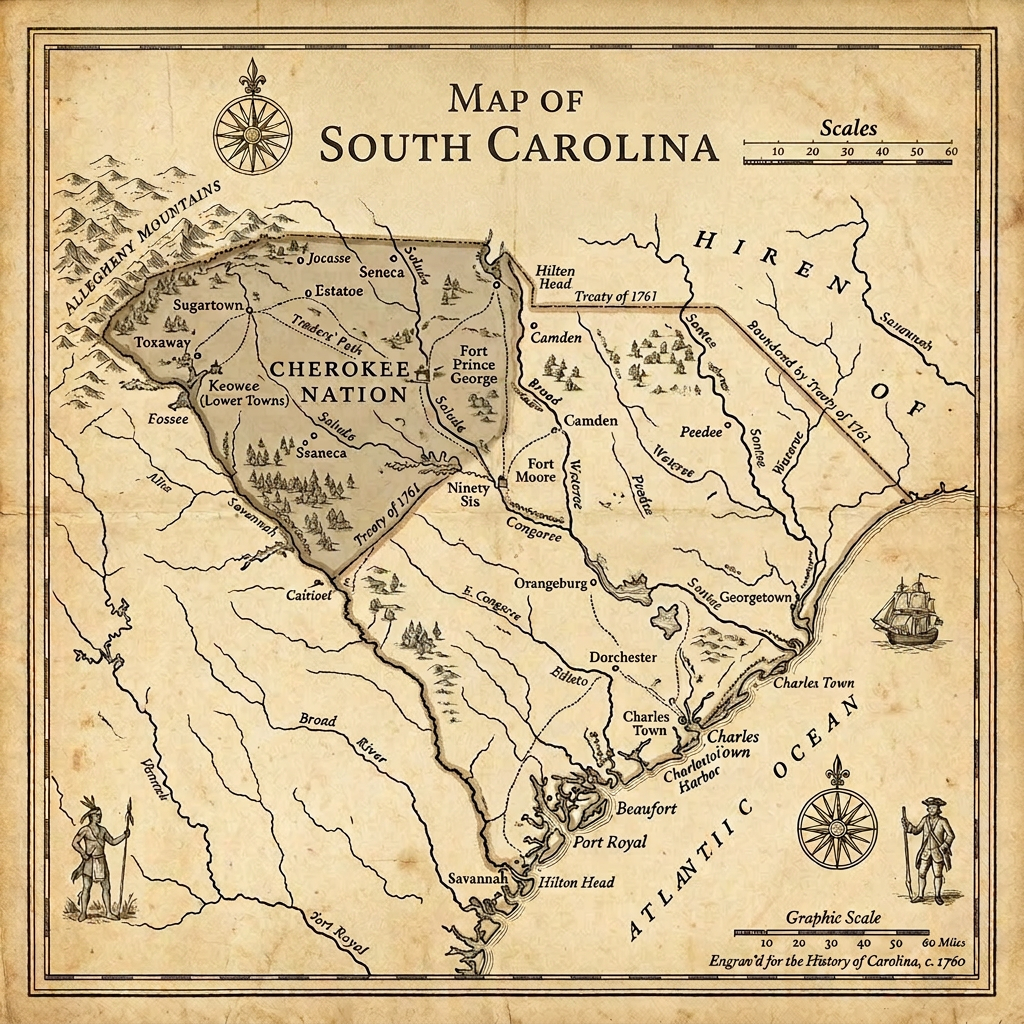
Seen / Unseen Greenville: Cherokee Ground Beneath Greenville
Greenville is a city that likes to talk about what comes next. We talk about growth, new restaurants, bike trails, development, rankings, housing prices, and whether traffic has finally become unbearable. We talk about what Greenville is becoming. That makes sense. Growing places often become a little obsessed with the future. But places are not…
-
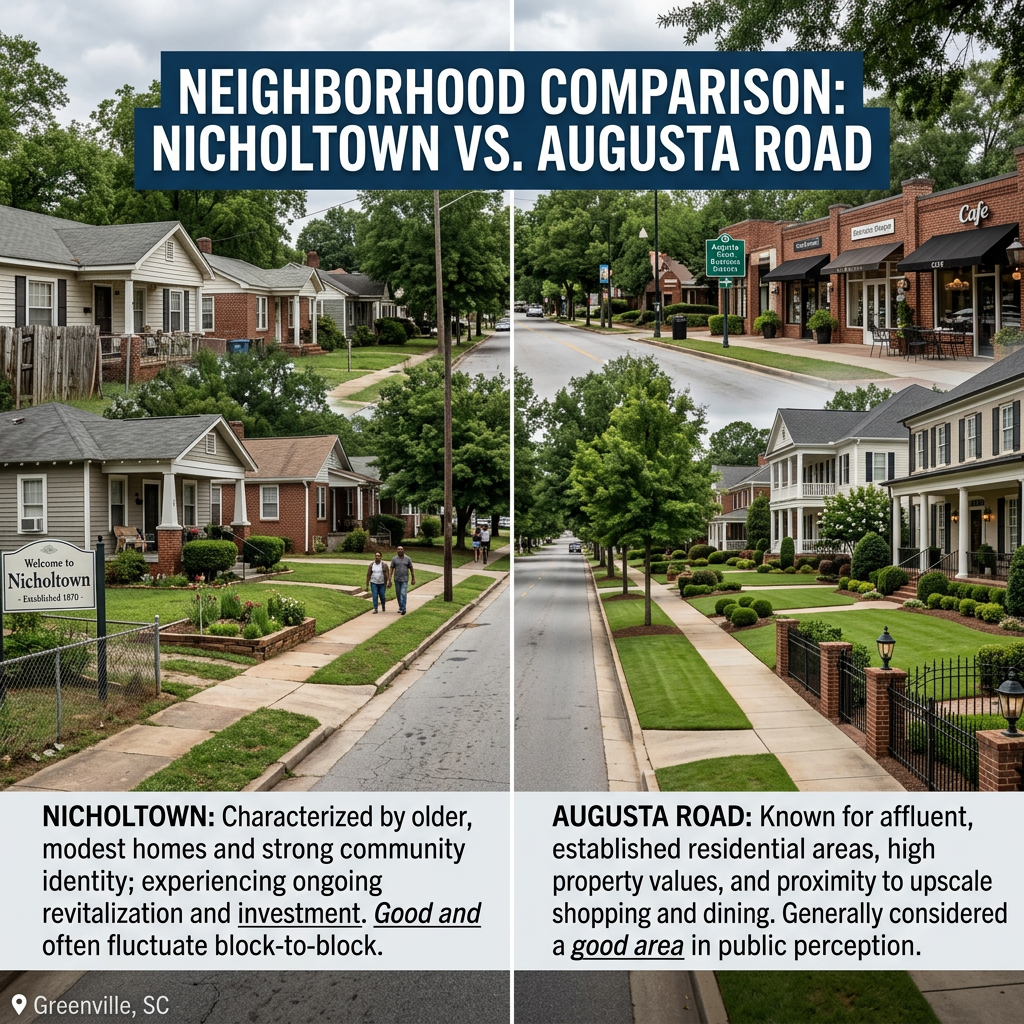
Seen / Unseen Greenville: Polished Surface, Divided Ground
Welcome Back to Seen / Unseen Greenville This blog will still go wherever life takes it—family, politics, recovery, culture, memory, and whatever else feels worth talking about. But I wanted to mark a direction I’m especially excited about. Seen / Unseen Greenville will be an ongoing series where I take a closer look at this…
-

Seen / Unseen Greenville: Let’s Begin With Our Cherokee Roots
Welcome Back to Seen / Unseen Greenville This blog will still wander where life takes it—family, politics, recovery, culture, memory, whatever feels worth examining. But I wanted to mark a direction I’m especially excited about. THis will be an ongoing series exploring this place more deeply—its history, growth, contradictions, bright spots, blind spots, and the…
-
Seen/Unseen Greenville: This Place Has Never Been One Thing
Welcome to Seen / Unseen Greenville This blog will still have all kinds of posts. Politics, family, recovery, culture, whatever life puts in front of me. That part isn’t changing. But I wanted to mark a new direction I’m excited about. I’ve lived in Greenville most of my life, and like a lot of people,…
-

Greenville, SC and the Business of Drinking
I started drinking young. Twelve or thirteen, somewhere in there. Young enough that it should sound absurd now, but normal enough that it barely raised eyebrows then. Drinking looked fun. It looked grown. It looked like what adults did when they wanted to celebrate, loosen up, laugh louder, and become bigger versions of themselves. For…
-
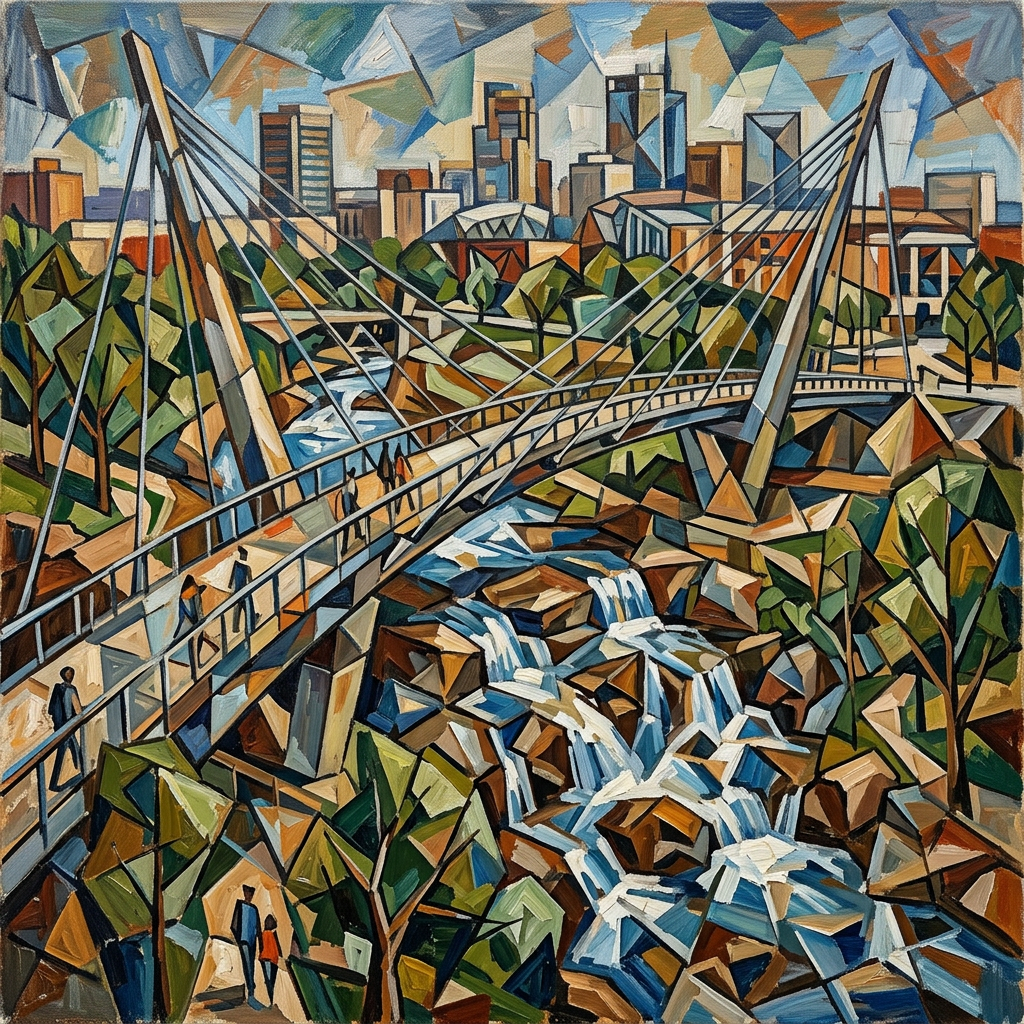
Who Tells the Story of Greenville, SC?
There was a time when every city had a stronger sense of itself because it had people whose job was to pay attention. Not perfect people. Not always brave people. Not always right people. But reporters. Editors. Photographers. Columnists. The kind of people who sat through zoning meetings so you didn’t have to. The kind…
-
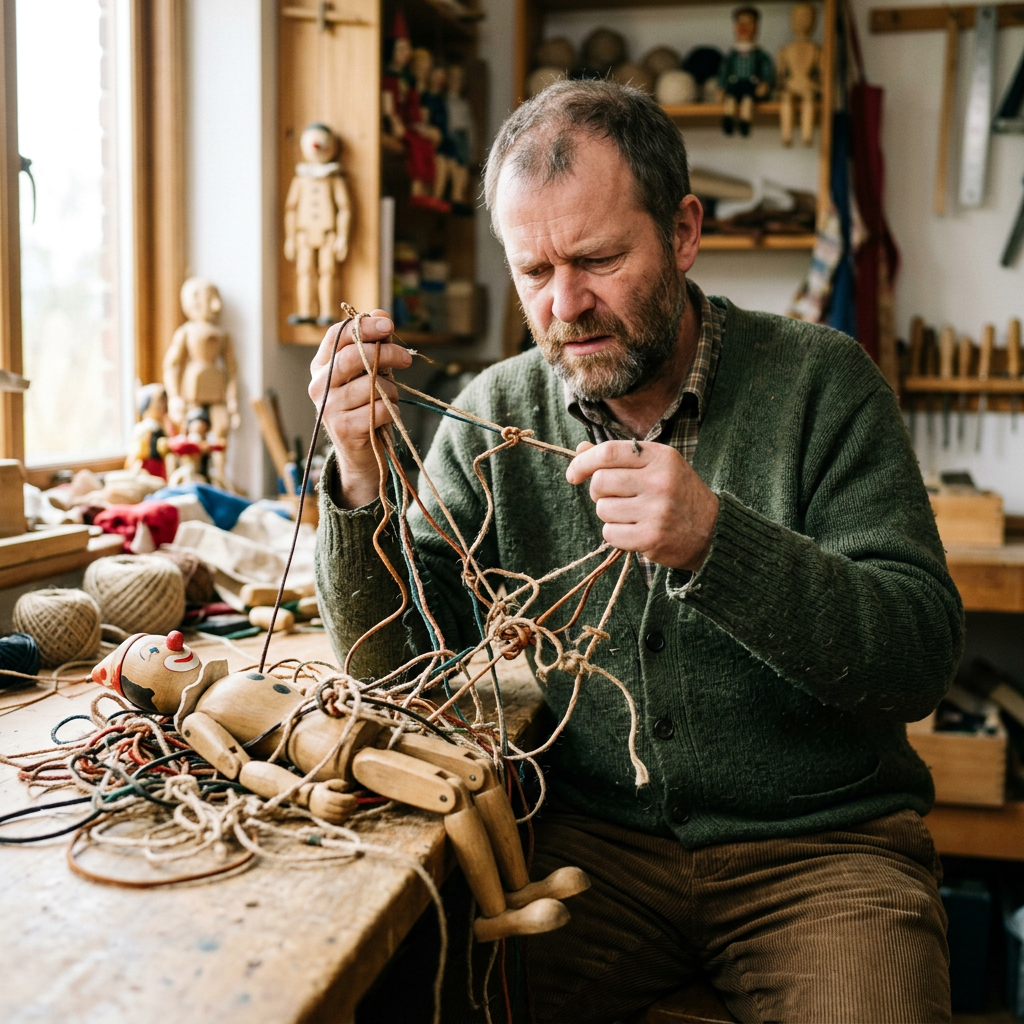
Tales of a Midlife Drifter
I watched a video recently where a guy described himself as a 35-year-old loser. His message was simple: don’t end up like me. Start now. Build skills. Take action. Stop wasting time. And I get it. There’s truth in that. Drifting too long, avoiding responsibility, never committing to anything—that catches up with you. Time does…
-

I Worry About the World My Son Is Growing Into
I worry. A lot. I worry about myself. I worry about my son. I worry about the world we’re handing him and whether we’re even being honest about what that world looks like. Because if I’m being real, when I look at the people in charge right now, it doesn’t exactly inspire confidence. It makes…