
Tag: history
-
The Archive of the Great & Famous – Series 1 – Sun Tzu
Archive Edition • Studio Edition • Gallery Edition • Museum Edition “All warfare is based on deception.” — Sun Tzu, The Art of War, translated by Lionel Giles A Portrait of History’s Master Strategist Few works have shaped the understanding of strategy as profoundly as The Art of War. Written in ancient China and traditionally…
-

FROM THE ARCHIVE #1 — The Lonely White Walker (2012)
Going through old folders tonight, I found The Lonely White Walker—a Walking Dead fanfic I wrote back in 2012—and I was honestly stunned to realize people had reviewed it. Not just clicked on it… actually read it, followed it chapter to chapter, left thoughtful comments, waited for updates. I had forgotten that entirely. And honestly,…
-
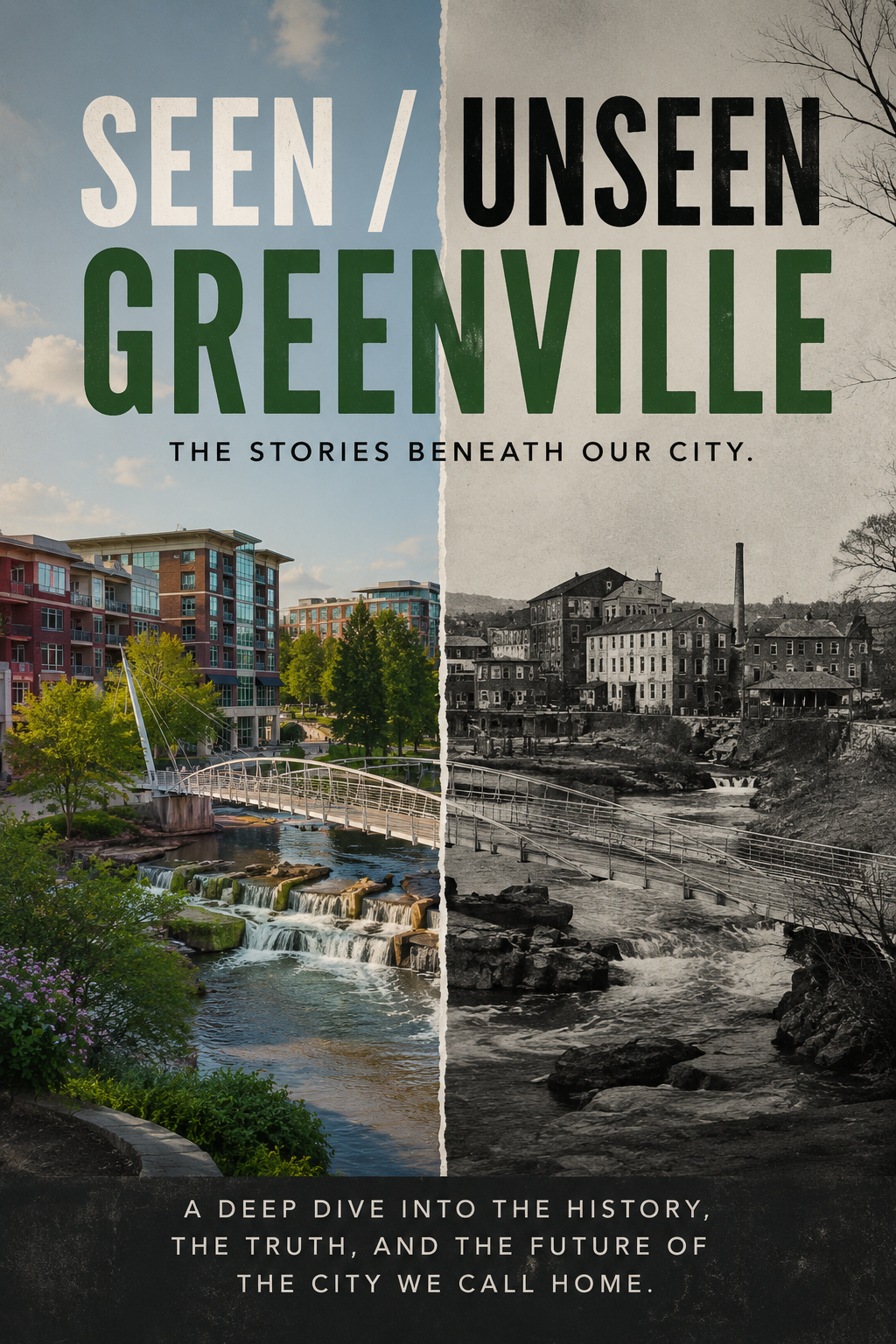
Seen / Unseen Greenville: What South Carolinians Say They Actually Want
There’s a strange thing happening in South Carolina right now. On one side, the state is booming. Cranes everywhere. Subdivisions spreading into old fields and forests. Distribution centers. Data centers. Luxury apartments. “Top Places to Move.” “Fastest Growing.” “Business Friendly.” The official story is momentum. But underneath that polished story, there’s another South Carolina talking.…
-
Seen / Unseen Greenville: The 1946 Ideal Laundry Explosion — The Forgotten Explosion
The Map Beneath the Map is the historical spine of the Seen / Unseen Greenville project. It explores the idea that cities are layered — that modern Greenville was built on top of older systems, older neighborhoods, older conflicts, and older ways of life that still shape the city today, even when we no longer…
-
Seen / Unseen Greenville: What Kind of City Are We Becoming?
Over the past few weeks, this project has honestly felt a little chaotic at times. I’ve produced a flood of material:-history posts,-city planning discussions,-maps,-timelines,-personal memories,-civic frustrations,-philosophical essays,-local observations,-and probably far too many long-form posts for the average Facebook scroll session. At times, I imagine it has looked less like a coherent project and more like…
-
Seen / Unseen Greenville: The Map Beneath the Map
Welcome to The Map Beneath the Map- a historical branch of Seen / Unseen Greenville exploring the older layers underneath modern Greenville When most people think about Greenville, they think about the version they can immediately see. Falls Park. Main Street. The bridge. The restaurants. The polished downtown that shows up in tourism campaigns and…
-
Seen / Unseen Greenville: Distinctly American. Distinctly Southern.
(What Does It Even Mean to Be American—or Southern—Right Now?) People usually look to places like New York, Los Angeles, Chicago, or Washington when they want to explain America to itself. That makes sense. Those cities dominate media, finance, politics, entertainment, and cultural mythology. But honestly, I think cities like Greenville may tell us more…
-
Seen / Unseen Greenville: The Hidden Origins of Segregation
What It Looked Like Up Close Growing up, I lived in the Augusta Road area near the Cleveland Street YMCA. Just a few blocks away was Nicholtown—what people would have called “the Black side of town.” It wasn’t far. Close enough to walk. Close enough that people moved through both areas every day. But it…
-
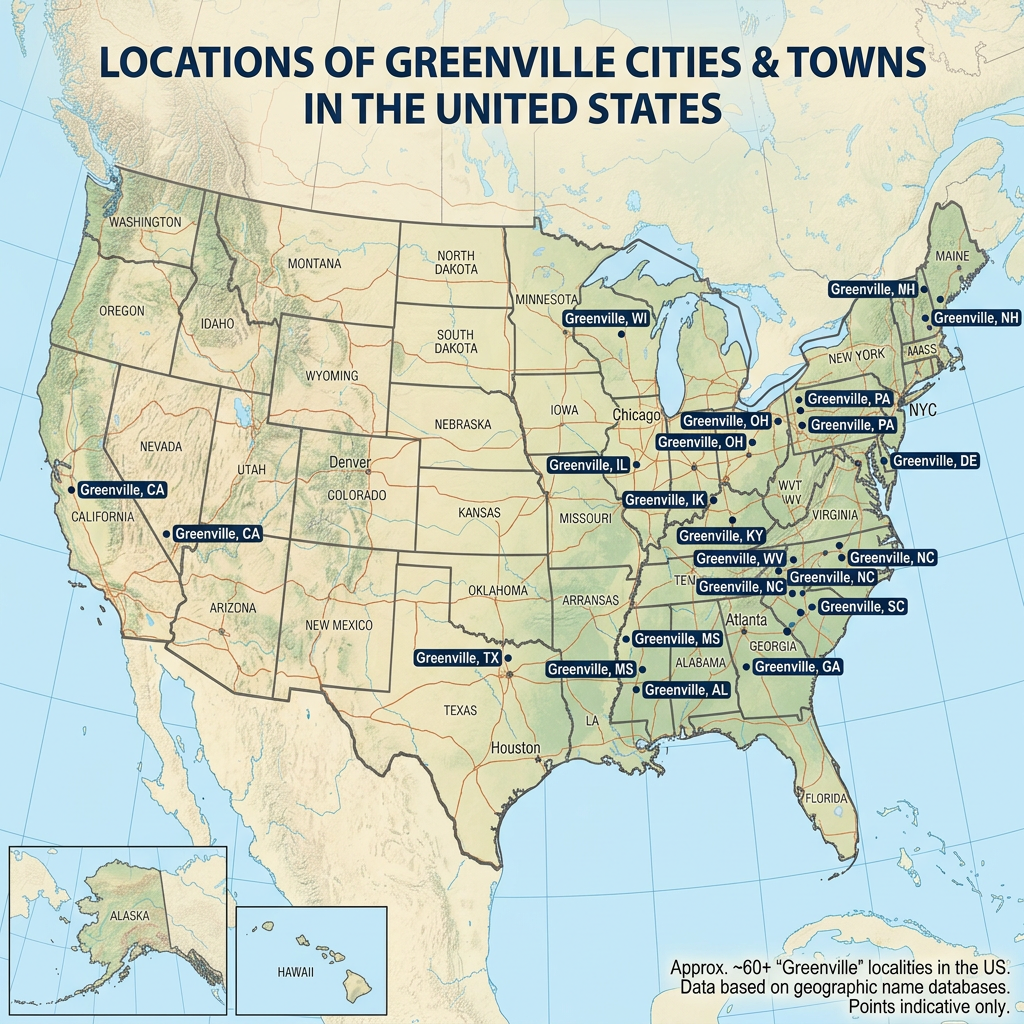
Seen / Unseen Greenville: How Greenville Got Its Name
The The Simpsons takes place in a fictional town called Springfield. The name was chosen for a simple reason: there are so many Springfields across the United States that it could feel like anywhere. In that sense, Greenville isn’t all that different. There are Greenvilles in multiple states—North Carolina, Mississippi, Texas, and beyond. The name…
-
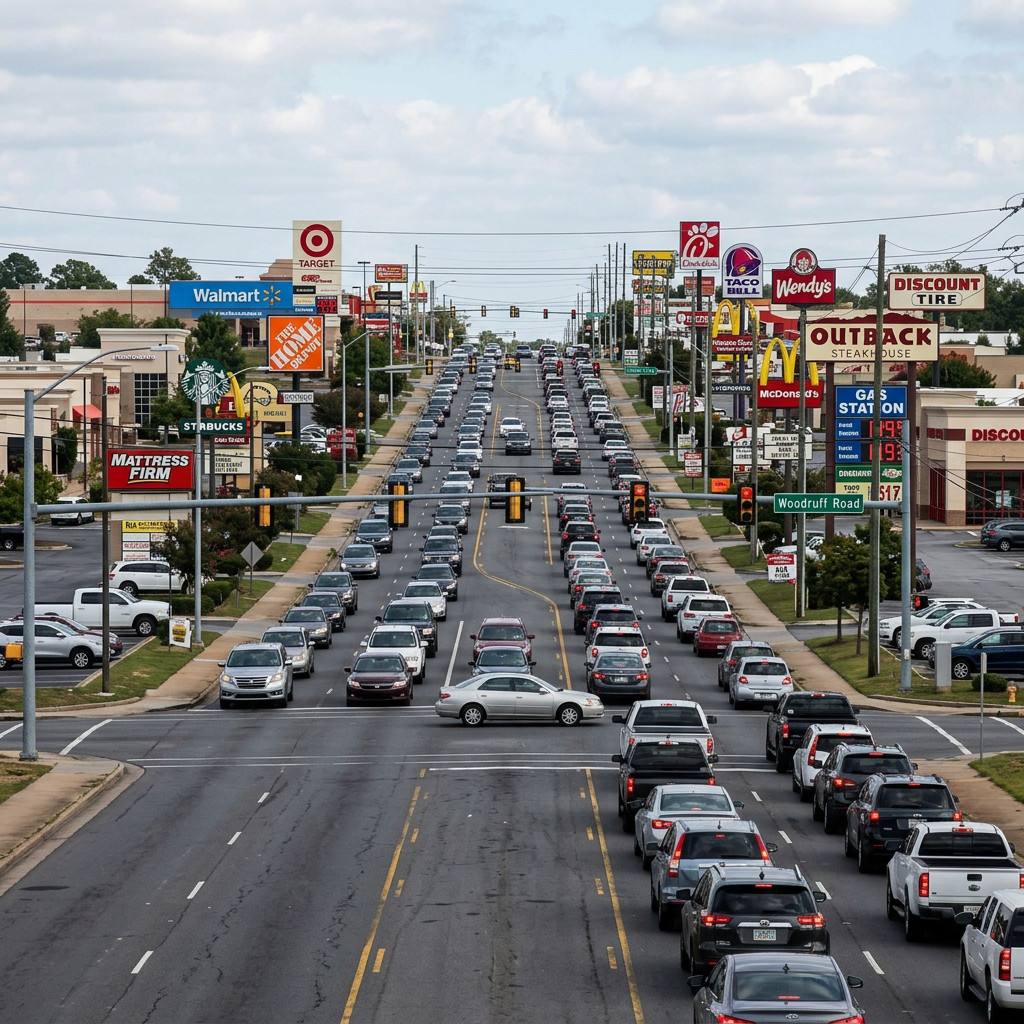
Seen / Unseen Greenville: Can We Avoid Woodruff Road (Part 2)?
Everyone who has seen Jaws 2 knows a few things: the shark is back and mad, and the same mayor is still in charge, doing the same damn things all over again. That’s the feeling you get if you look at what’s happening on Laurens Road—and what could be coming next. Because if we’re not…
-
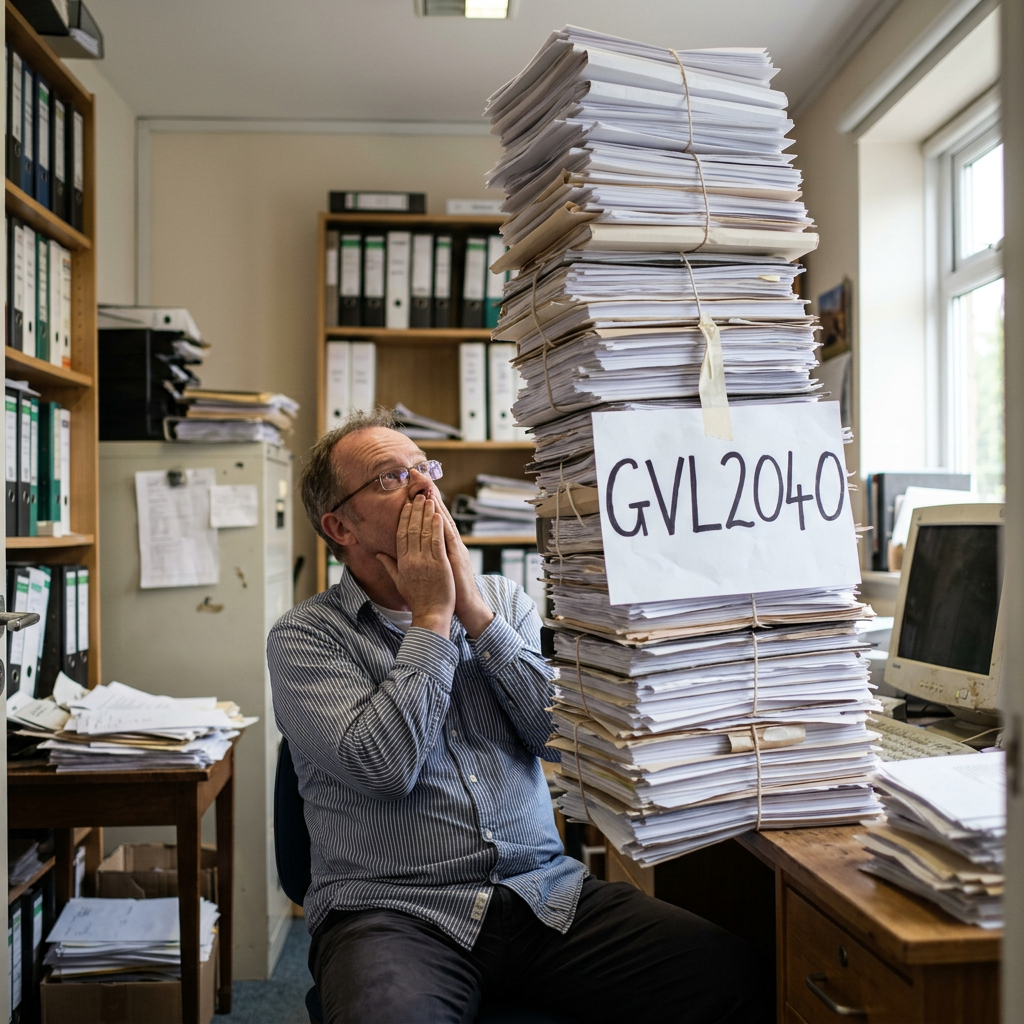
Seen / Unseen Greenville: GVL2040 and the Gap Between Plan and Reality
Most people in Greenville haven’t read GVL2040. That’s not really a knock on anyone. It’s a long-term planning document, not exactly light reading. But it is one of the most important things shaping what Greenville becomes over the next 15–20 years, whether people realize it or not. GVL2040 is the City of Greenville’s comprehensive plan…
-
Seen / Unseen Greenville: Unity Park, Social Justice, and the Tower to Nowhere
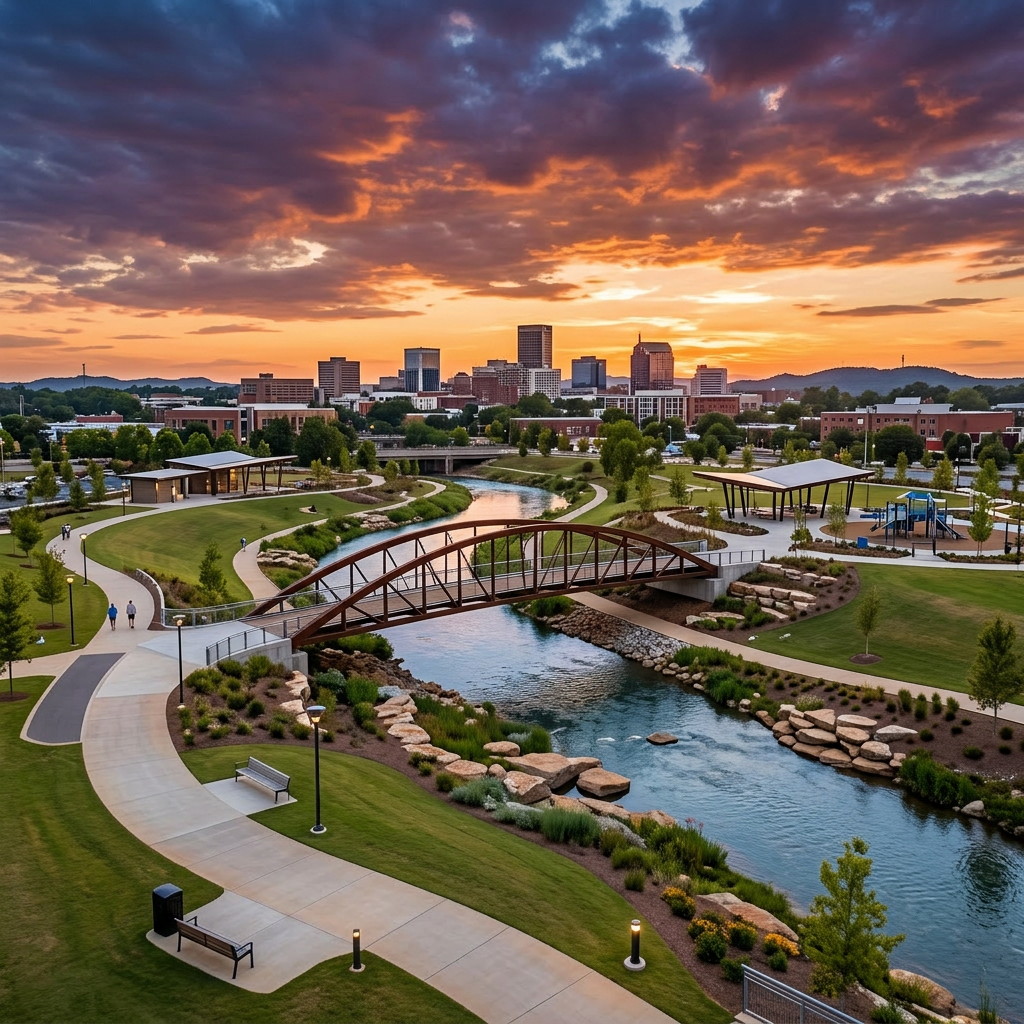
There is a lot to admire about Unity Park. It is beautiful, spacious, and full of life. It transformed long-overlooked land near the Reedy River into one of Greenville’s most impressive public spaces. Families gather there, kids play there, people walk and rest there, and for many residents it has become a genuine source of…
-
Fear of a Post-Knox White Greenville
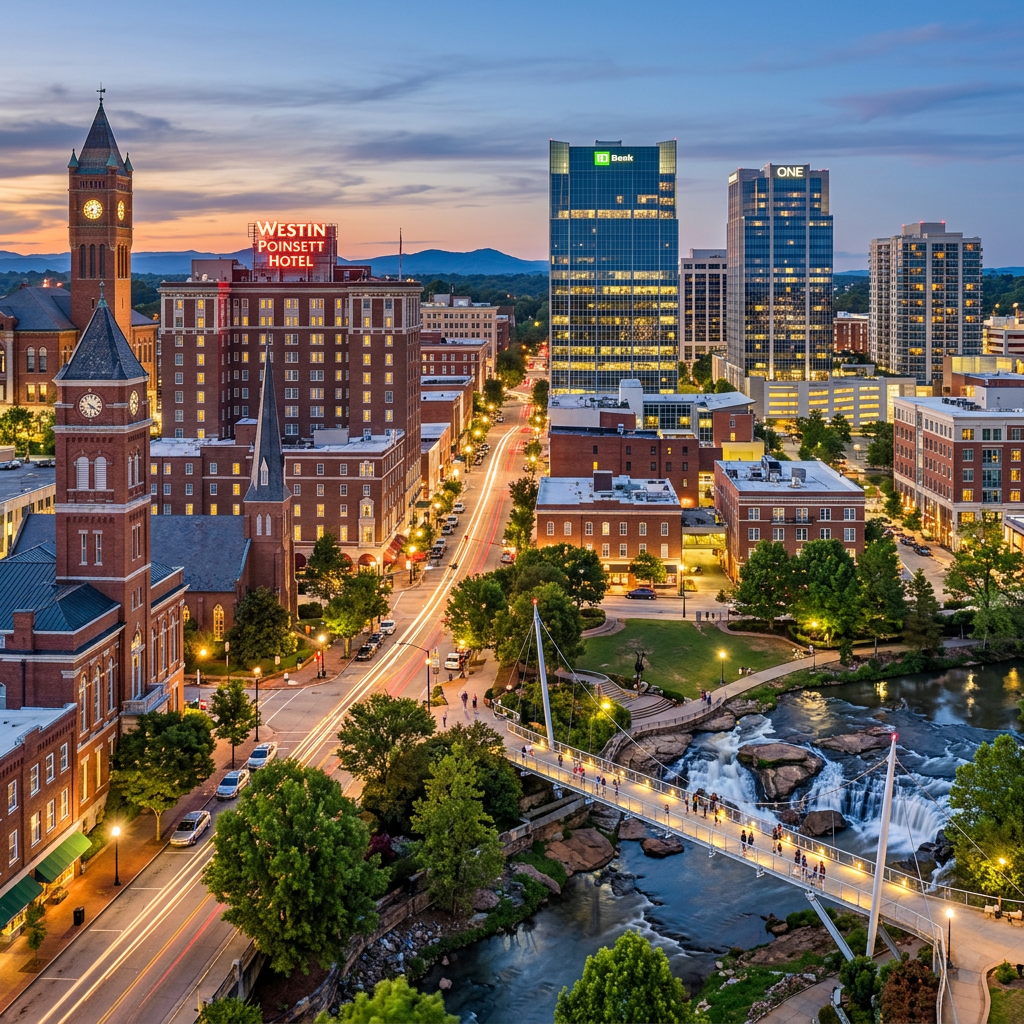
It is an odd thing to worry about a city after the departure of a leader who has been in office so long that many residents barely remember life before him. But that is where Greenville may now find itself. For nearly three decades, Knox White has been one of the defining faces of modern…
-
Seen / Unseen Greenville: Cherokee Ground Beneath Greenville
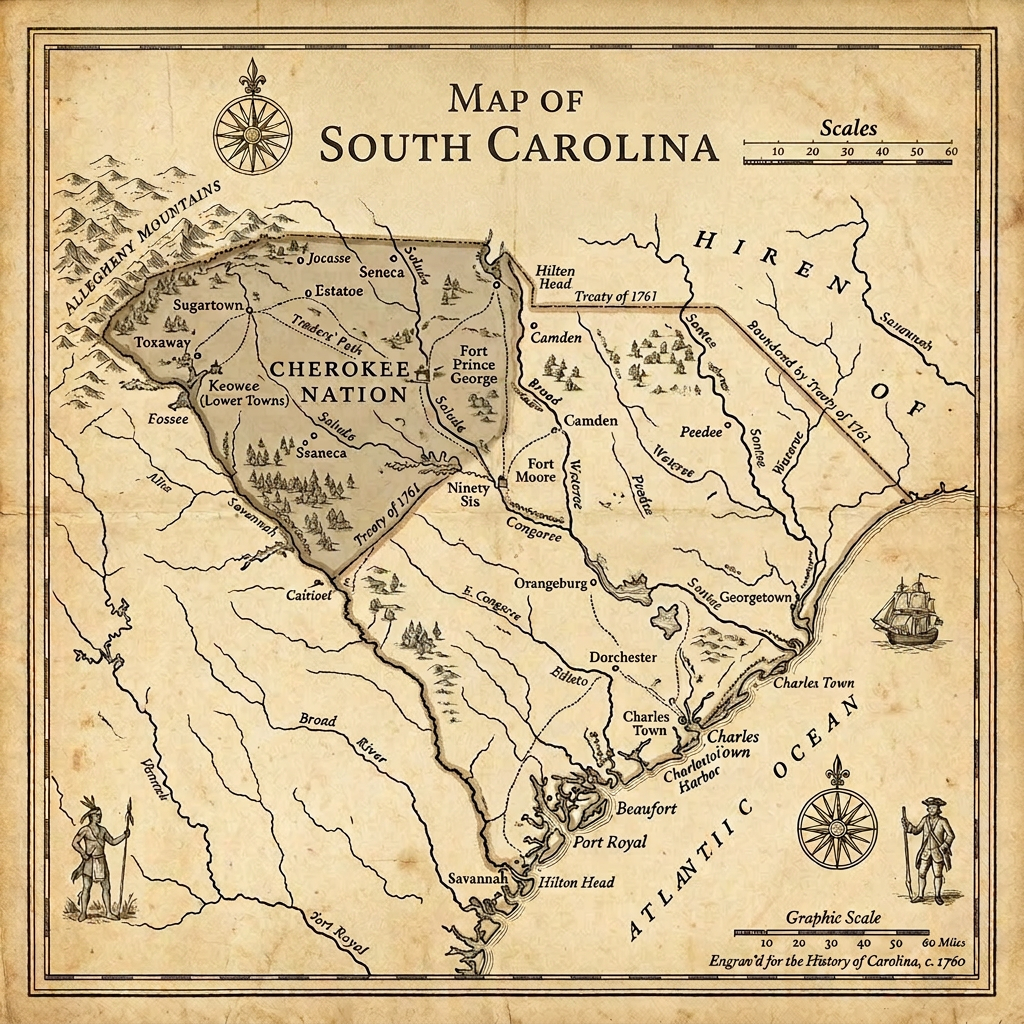
Greenville is a city that likes to talk about what comes next. We talk about growth, new restaurants, bike trails, development, rankings, housing prices, and whether traffic has finally become unbearable. We talk about what Greenville is becoming. That makes sense. Growing places often become a little obsessed with the future. But places are not…
-
Seen / Unseen Greenville: Polished Surface, Divided Ground
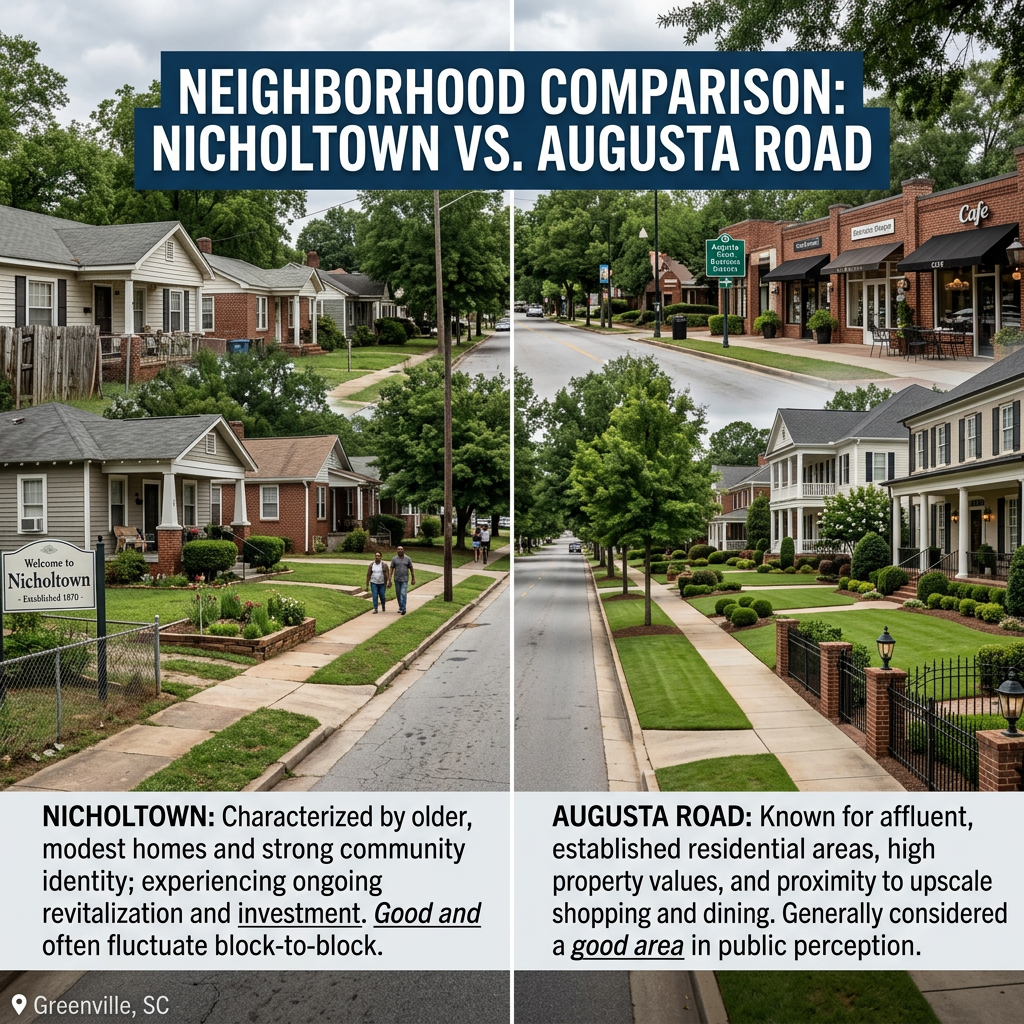
Welcome Back to Seen / Unseen Greenville This blog will still go wherever life takes it—family, politics, recovery, culture, memory, and whatever else feels worth talking about. But I wanted to mark a direction I’m especially excited about. Seen / Unseen Greenville will be an ongoing series where I take a closer look at this…
-

Seen / Unseen Greenville: Let’s Begin With Our Cherokee Roots
Welcome Back to Seen / Unseen Greenville This blog will still wander where life takes it—family, politics, recovery, culture, memory, whatever feels worth examining. But I wanted to mark a direction I’m especially excited about. THis will be an ongoing series exploring this place more deeply—its history, growth, contradictions, bright spots, blind spots, and the…
-

Seen/Unseen Greenville: This Place Has Never Been One Thing
Welcome to Seen / Unseen Greenville This blog will still have all kinds of posts. Politics, family, recovery, culture, whatever life puts in front of me. That part isn’t changing. But I wanted to mark a new direction I’m excited about. I’ve lived in Greenville most of my life, and like a lot of people,…